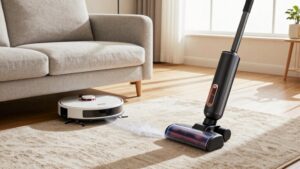
How to Choose Replacement Roller Brushes for Robot Vacuums
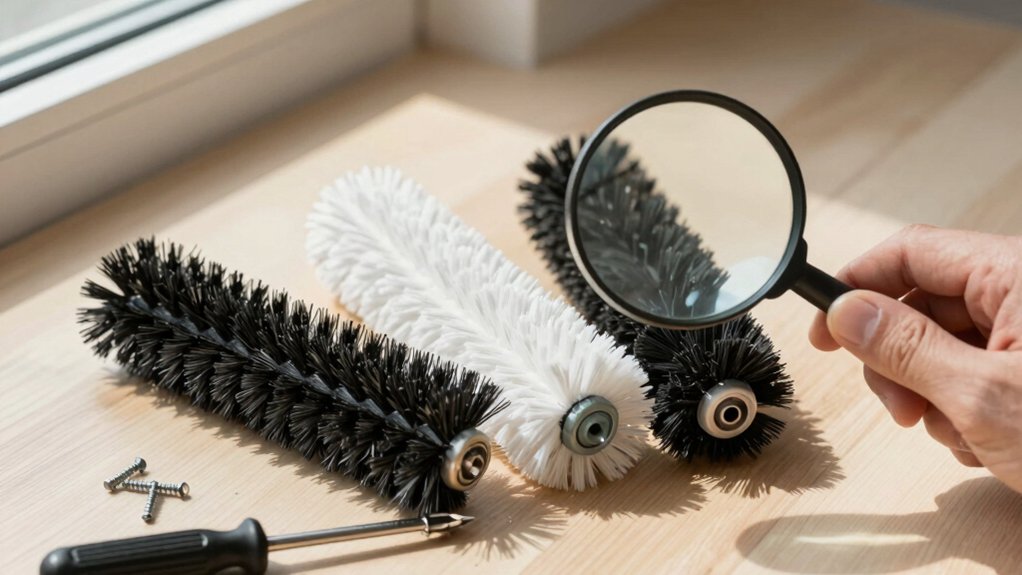
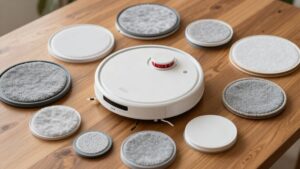
Pick rollers by your floors, pet load, and tolerance for maintenance. Rubber rollers excel on tile and stone and pull stuck debris. Soft-bristle rollers protect wood and delicate finishes. Hybrid rollers blend both for mixed-floor homes and pets.
Single-roller units are simpler and quieter; dual-roller setups boost carpet pickup but can leave center gaps and need more upkeep. Choose anti-tangle designs if you have hair or pets. Plan regular inspections and replacements to keep performance. More specifics follow.
Quick Overview
- Match brush type to floors: rubber for tile/stone, soft bristle for wood, hybrid for mixed floors and pets.
- Choose single vs dual rollers based on floors: single for mostly hard floors; dual for carpets and mixed surfaces.
- Check anti-tangle features and alignment to reduce hair wrap and ease maintenance.
- Inspect brush geometry for mid-section gaps that can let debris pass and affect pickup.
- Replace brushes on schedule and remove visible hair regularly to sustain suction and system coordination.
Quick Pick: The Right Roller Brush for Your Floors
Wondering which roller brush fits your floors best? You’ll make a quick pick by matching brush type to surface: rubber rollers attack stubborn debris on tile and stone, while soft bristle brushes protect wood and delicate finishes. If you want one tool for varied surfaces, choose a hybrid roller brush that blends rubber and bristle elements for balanced cleaning.
Pay attention to brush configuration in your replacement set. Dual brushes improve corner cleaning and carpet pickup; however, inspect for mid-section gaps that could let small debris pass. For low maintenance, prioritize anti-angle technology within the replacement set to reduce tangling from long hair or pet fur and cut downtime for cleaning.
Select brushes rated for your floor type. Verify compatibility with your robot model, and keep a spare set on hand to maintain performance. This practical, surface-driven approach gets you efficient cleaning with minimal wear and maintenance.
Rubber vs Bristle vs Hybrid Roller Brushes : Trade-Offs
Which roller brush will give you the best balance of cleaning power and floor protection? You’ll choose based on surface types and trade-offs. Rubber brushes deliver superior extraction on hard surfaces and stubborn stains. Their rubber durability resists abrasion and maintains edge contact; however, they can be noisier and, if used aggressively, stress delicate floors.
Bristle brushes offer bristle gentleness on wood and poly tile, cushioning impacts and reducing scratches. They may wear faster against gritty debris and extract less embedded grime. Hybrid brushes merge both approaches by combining rubber segments for forceful debris removal with bristle zones for protection. This creates a practical compromise for mixed-floor homes.
For maintenance, hybrids and bristle designs tend to pair better with anti-tangle and dual-brush layouts, reducing hair wrap and improving intake. Pick rubber where tough stain removal matters. Choose bristle where surface preservation is critical. Opt for hybrid when you need broad capability with acceptable trade-offs.
Single vs Dual Roller Brushes : Coverage, Tangles, and Edges
How do single and dual roller setups affect cleaning performance and maintenance? You’ll pick based on coverage, tangles, and edge performance. Single vs dual is a trade-off: Single-roller assemblies are mechanically simpler, quieter, and cheaper to maintain; however, they can miss corners and tangle with long hair. Dual-roller systems use a front sweep roller plus a rear cleaning roller to increase coverage and deliver deeper agitation on carpets and mixed floors.
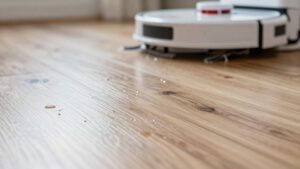
Assess layout and debris type: Dual rollers reduce missed spots across broad surfaces; however, some designs leave a central gap that can drop small particles. Therefore, check gap geometry for your floor plan. If you have lots of carpet or mixed flooring, dual generally improves pickup. If you run on hard floors with minimal hair, a single roller reduces maintenance burden.
Consider hair/fuzz load and edge-cleaning requirements: Choose dual for aggressive coverage and carpets. Choose single for simplicity, lower noise, and easier upkeep.
Anti‑Tangle Features and Maintenance to Reduce Snagging
Want less time untangling hair from your robot’s brushes? You should prioritize anti-angle maintenance and tangling reduction features that lower manual intervention and preserve cleaning performance. MOA’s triple anti-angle system coordinates the main brush, side brushes, and universal wheel to limit hair wrap and transfer debris away from critical points. The main brush’s conductive anti-angle feature channels fibers toward the lever end, minimizing wrap-up and easing removal.
- Inspect brushes weekly for fibrous buildup and remove visible hair before it compacts.
- Prefer hybrid dual rolling brushes (rubber + bristle) to lessen snagging on long hair while maintaining pickup.
- Check side brushes and universal wheel alignment; misalignment defeats anti-angle maintenance benefits.
- Replace worn brushes on schedule to sustain tangling reduction and system coordination.
Follow these steps to reduce service calls, extend brush life, and keep your robot running efficiently with minimal snagging.
Best Brush Choice by Floor Type and Pet Ownership
Reducing hair wrap is only part of the equation; you also need brushes matched to your floors and pets to get consistent cleaning with minimal upkeep. For wooden or easily scratched floors, pick bristle or hybrid rolling brushes. They agitate debris without abrading finishes. If you tolerate slightly more noise, a rubber rolling brush will handle stubborn stains on hard surfaces. Weigh noise versus cleaning gain, especially in pet-friendly households.
If you have lots of carpet installation areas, choose double rolling brush models to boost coverage and deep-clean performance. Homes with pets benefit most from a hybrid dual rolling brush combined with anti-tangle technology. That combo handles pet sheds and carpet dust more efficiently and reduces maintenance. When unsure, prioritize a mixed configuration: front rubber for hard floors plus a rear hybrid brush for versatile cleaning across both hard and soft surfaces. That setup minimizes swaps and optimizes pickup across varied floor types and pet conditions.
Frequently Asked Questions
How Often Should I Replace Roller Brushes for Optimal Performance?
You should replace roller brushes every 6–12 months for optimal performance, adjusting based on use and debris load. Establish a replacement cadence: check monthly for wear, hair buildup, and split bristles. Replace sooner if performance drops or brushes deform.
Always confirm brush compatibility with your model to avoid fit or motor issues. Keep spares on hand and document replacements to maintain consistent suction and cleaning efficiency.
Can I Use Aftermarket Brushes Safely With My Robot Model?
Yes, you can often use aftermarket brushes safely if you check aftermarket compatibility and safety considerations first. You should verify dimensions, shaft fit, and brush profile against OEM specs. Additionally, confirm materials resist wear and ensure motor load stays within limits.
Read reviews for durability and dust-seal performance. Confirm warranty terms, and test for vibration or overheating. Replace immediately if performance or noise worsens to avoid damage.
Do Roller Brushes Affect Battery Life or Run Time?
Yes, roller brushes can affect battery life and run time. If roller efficiency drops due to wear, tangles, or heavier aftermarket bristles, the motor works harder; this increases power draw and shortens runtime. Clean, correctly spec’d brushes maintain optimal roller efficiency and minimize battery impact.
You should inspect brushes regularly, remove hair and debris, and use replacements that match manufacturer torque and load specs to preserve expected run time and battery health.
Are There Eco-Friendly or Recyclable Brush Options?
Yes, you can choose eco friendly, recyclable roller brushes. You’ll want brushes made from biodegradable materials like natural fiber bristles and compostable cores, or recyclable plastics stamped for recovery.
Check manufacturer specs for end‑of‑life guidance and third‑party certifications. Prefer minimal, recyclable packaging; follow local packaging disposal rules. You’ll reduce landfill waste and still maintain performance. However, verify durability and compatibility before purchasing replacements.
Can Worn Brushes Damage the Robot or Floors?
Yes, can worn brushes damage your robot and brushes damage floors can accelerate wear. Worn bristles reduce cleaning efficiency, overload motors, and cause higher current draw; this can lead to overheating or premature motor failure.
Hard or misshapen bristles can scratch flooring finishes, especially hardwood and soft laminates. Replace brushes on schedule, inspect for deformation and entangled debris, and use manufacturer-specified replacements to maintain performance and protect both robot and floors.
Conclusion
Choose the roller brush that matches your surface and shedding level: rubber for hair-prone homes, bristle for deep carpet agitation, and hybrid for mixed floors. Prefer single-roll designs or anti-tangle fittings if you want fewer snags. Dual-roll setups improve edge and debris pickup but need more upkeep.
Replace brushes on schedule; inspect bearings and clear hair with a tool after each use. The right choice reduces maintenance, boosts cleaning efficiency, and extends your robot’s lifespan.
You may also like: Robot Vacuum And Mop Differences — a related guide worth bookmarking.