Essential Vacuum Accessories for Every Home: What You Actually Need
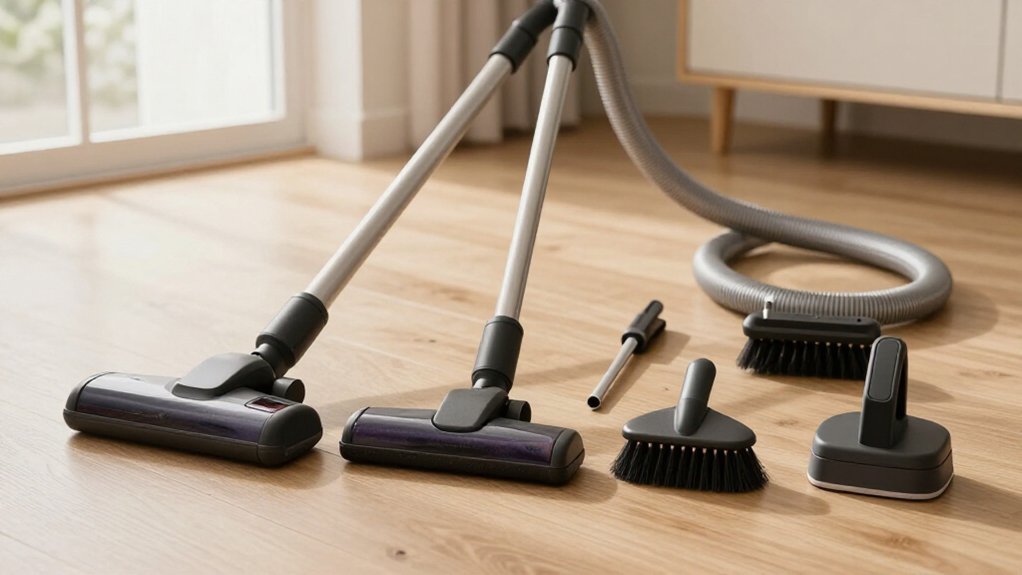
You only need a few vacuum accessories: a crush-resistant hose, surface-appropriate floorhead, crevice tool, soft or stiff brush, and telescopic wand.
Choose a motorized powerhead for carpets and pet hair, a softer head for hard floors, and an upholstery or mini turbo tool for fabric.
Use the crevice tool around edges, appliances, and car-seat seams.
Check compatibility, clean filters and brush rolls, and store brushes bristle-up.
The right setup makes cleaning easier, as you’ll see.
Hose, Floorhead, Crevice Tool
When choosing vacuum accessories, start with the hose, floorhead, and crevice tool because each handles a different part of the job. Choose a lightweight, crush-resistant hose; central-system models often measure 30–35 feet, and strong airflow helps you clean several rooms without constant repositioning.
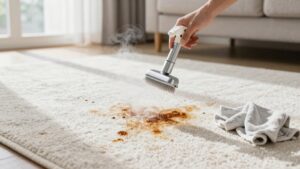
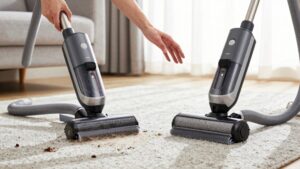
Select the floorhead for your surfaces. Carpets usually need a motorized powerhead to lift embedded dirt from deep fibers, while hard floors generally suit a softer brush or combination head.
Your crevice tool, typically 8–12 inches long, reaches baseboard edges, window tracks, door jambs, corners, appliance gaps, furniture seams, and car interiors. Run it around the perimeter first, then cover broad areas with the floorhead. Check that attachments fit and won’t restrict access where you need them most during routine cleaning.
Stiff-Bristle Brush for Blinds
If dust settles between your blind slats, a stiff-bristle brush can loosen it before your vacuum removes it. Its narrow, 1-to-3-inch head fits between horizontal or vertical slats, while medium-stiff nylon or natural bristles scrape away dust, dander, pollen, and pet hair. An angled profile helps you reach edges and louvers.
Attach the brush to your wand or crevice port, then work from top to bottom with light, even strokes. Let suction capture loosened debris, or brush it into the vacuum inlet. Test an inconspicuous area first: aggressive pressure or overly stiff bristles can scratch paint, coatings, softwood, or antique blinds. Check your vacuum’s fitting before buying; you’ll need an adapter. You can use this tool on vents, radiator fins, and narrow trim.
Catching Crumbs Under Appliances
Hidden crumbs under refrigerators, ranges, and dishwashers are easiest to remove with an 8- to 12-inch crevice tool. Push it into the gap where the appliance edge meets the floor, then work slowly in short sections. Focus on corners and seams, where grit and food particles collect beyond basic suction.
For wider spaces, switch to a brush attachment or narrow floor tool; guide debris toward the nozzle instead of dragging one attachment across the entire area. If carpet borders the appliance, choose a carpet-capable tool, because a hard-floor brush may leave debris behind or clean poorly along the edge.
Afterward, use your dusting or upholstery brush on nearby trim and baseboards to collect fine particles pushed out during cleaning. Check floor before replacing appliances.
Telescopic Wand Features
Choose a wand with an adjustable length range so you can reach high surfaces while keeping your arms comfortable. A lightweight locking mechanism lets you set the height securely without adding unnecessary strain.
Durable materials help the wand withstand regular use, especially when you’re cleaning ceilings, vents, and tall furniture.
Adjustable Length Range
When a vacuum wand telescopes, it can add roughly 18 inches (45 cm) or more of reach, depending on the model, so you can clean fan blades, light fixtures, vents, and high shelves without a ladder. You’ll reduce arm strain because you can keep your hands closer to your body during work. Adjust the length to suit your height, ceiling clearance, and surface rather than stretching or standing on furniture.
That range helps reach closet tracks, ceiling corners, lamp shades, and window treatments without changing tools soon. Shorten the wand for closer control when dusting delicate materials, then extend it for areas. In a central-vacuum system, the wand transfers this flexibility to dusting brushes and crevice tools. Check range and compatibility before buying one.
Lightweight Locking Mechanism
A lightweight locking mechanism lets you set a telescopic wand to the precise length you need and keeps it from slipping during use. You can engage or release it quickly as you switch between ceilings, fan blades, baseboards, and furniture tops. That convenience helps you adjust your reach without interrupting the job.
When you clean vents, curtains, or high shelves, the extended wand keeps your hands closer to your body, reducing arm strain. Before vacuuming, confirm that the lock has clicked fully into place; a secure connection keeps suction aligned with the attachment. If the wand shifts, airflow and control can suffer, scattering dust instead of lifting it.
Choose a mechanism you can operate comfortably, even when you’re working overhead or changing tasks frequently.
Durable Material Construction
Once the locking mechanism holds the wand firmly, durable construction keeps it steady during use. Choose aluminum or reinforced plastic: both materials keep the wand lightweight while resisting bending and wobbling under suction.
A multi-section design with several locked increments lets you reach ceilings, fan blades, and tall light fixtures without overreaching.
Check that the joints fit tightly and the internal airflow passages remain smooth. This design reduces suction loss where sections connect, so your vacuum maintains useful pickup. At the tip, look for compatibility with common attachments, including crevice tools and dusting brushes. You won’t need adapters that may loosen during cleaning or restrict airflow. Before buying, extend and collapse the wand repeatedly. It should move smoothly, lock securely, and feel balanced overall.
Homes With Shedding Pets
If you have a shedding pet, a motorized powerhead lifts embedded hair from carpets, stairs, and rugs more effectively than suction alone. Use an upholstery tool on cushions, chair arms, and mattress seams where fur collects in fabric.
Grooming and deshedding tools remove loose hair at the source, so you won’t vacuum as often.
Pet Hair Powerheads
Pet hair powerheads are often the biggest upgrade for homes with shedding pets because their rotating brush roll lifts embedded fur and debris that suction alone can miss in carpet fibers.
Choose a motorized floor head that matches your vacuum’s brand and connection, then check that its brush roll suits your carpet pile. You’ll use it slowly enough to let the bristles agitate fibers. For carpeted stairs, a compact stair powerhead can pull dust and fur up in seconds without the clumsiness of a floor head.
Keep a separate pet tool for furniture and car interiors, where hair hides in seams. A five-minute swap between floor and pet tools can solve vacuum failure. For base edges and gaps, switch to a crevice tool instead.
Upholstery Cleaning Tools
For homes with shedding pets, a dedicated upholstery tool with a narrow 4–6-inch suction pickup pulls embedded hair, lint, and dust from fabric fibers without pressing debris deeper. Then choose a pet-focused mini turbo tool when fur collects around seams, corners, or cushion edges. Use microfiber strips to capture loosened debris, and flip or adjust the attachment as you work to improve pickup.
Keep the nozzle flat on upholstery and make slow, overlapping passes across cushions, arms, and backs. For gaps and baseboard-adjacent fur, reach for a crevice cleaner with an angled 8–12-inch tip. If furniture cleaning feels inconsistent, the attachment may be mismatched; switching tools can restore effective suction within minutes. Check seams and empty the canister afterward to prevent re-depositing hair before storage.
Grooming And Deshedding Tools
Regular grooming with a vacuum-compatible deshedding tool captures loose fur before it spreads to stairs, furniture, corners, and baseboards. A few minutes of brushing can reduce what your vacuum must collect later, while keeping shedding under control at the source.
Choose an attachment that matches the mess. A dedicated pet upholstery tool or mini powerhead pulls embedded hair and lint from cushions and other fabric surfaces more effectively than a basic brush. On carpets, use a turbo-style or motorized pet head to agitate fibers and lift hair trapped below the surface. If cleaning feels ineffective, you may simply be using the wrong tool. Switch attachments for tight gaps and edges, then empty the bin and clean the brush roll after each session.
Cleaning Car Seat Creases
When grit and crumbs settle into car-seat creases, use a crevice tool with an angled 8–12-inch tip to reach the narrow gaps. Run the vacuum slowly around the seam perimeter, pressing the tip into the crease so suction lifts embedded dirt rather than skimming the surface. If creases sit between cushion seams, rotate the hose head or adjust its angle every few inches to maintain contact.
Use short passes in a “perimeter then middle” pattern: clear both edges first, then work inward so you don’t push debris deeper.
For stubborn buildup in textured fabric, follow with an upholstery tool, often four to six inches wide, to collect loosened dust from surrounding fabric. Empty the canister or check the bag when suction drops during cleaning.
Check Attachment Compatibility First
Before you buy an attachment, check that it matches your central vacuum’s hose, inlet, wand, and coupling type. Confirm the inlet style and hose connection before ordering; central vacuum systems don’t all use the same fittings. The attachment should lock onto your wand securely, creating an airtight suction path rather than a loose joint that wastes airflow.
Check electrical requirements, too. A motorized powerhead needs compatible voltage and system wiring, while an air-driven turbo brush doesn’t require an electrical connection.
Match the tool to your flooring: choose a carpet powerhead for embedded soil and a soft brush for hardwood, tile, or laminate. If your area produces seasonal fine dust or abrasive grit, select a durable tool designed for that debris before you buy it.
Overlooking Filter Cleaning
A well-fitted attachment won’t perform well if a clogged filter restricts airflow. When pleats or foam fill with dust, suction drops, carpets stay gritty, and pet hair clings stubbornly. Restricted airflow can recirculate fine particles, aggravating allergies.
Keep your vacuum effective with this routine:
- Check the filter on a schedule, shortening intervals if you have pets, heavy carpet traffic, or seasonal sand and grit.
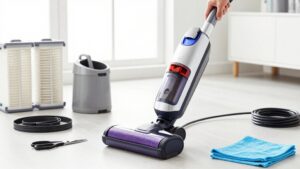
- Remove reusable HEPA or foam filters only as your manual directs; brush or rinse them accordingly.
- Air-dry every washable filter completely before reinstalling it, preventing mold and performance loss.
- Inspect for tears, warped foam, or loose seals, and replace damaged filters promptly.
A clean, intact filter lets attachments capture debris efficiently and protects indoor air quality.
Store Brushes Bristle-Up
Store your vacuum brush bristle-up so its soft, dense fibers stay clean, dry, and ready to lift embedded dust and grit. Keep it upright in a cabinet or closet, where moisture and debris won’t collect on the head. This position protects bristles from bending, preserving their ability to agitate particles.
Use the brush on shelving, baseboards, and upholstery to spark loose dust and grit before suction. Work with the surface fibers, or make short, overlapping passes, especially around corners where suction alone misses debris. Follow with a crevice tool to capture particles from edges, seams, and gaps. If the head has removable bristles or is washable, clean it regularly. Remove hair and dust, let it dry before returning it to storage for next use.
Conclusion
With the right vacuum accessories, you’ll clean faster, reach hidden debris, and protect delicate surfaces without buying unnecessary tools. Start with the hose, floorhead, crevice tool, and a brush suited to your home’s needs. Check compatibility before ordering, then clean filters regularly to preserve suction.
After use, store brushes bristle-up and keep attachments accessible. Whether you’re tackling pet hair, car creases, or crumbs, a well-maintained kit helps you handle everyday messes with less effort.