Mop Washing Dock Cleaning Routine
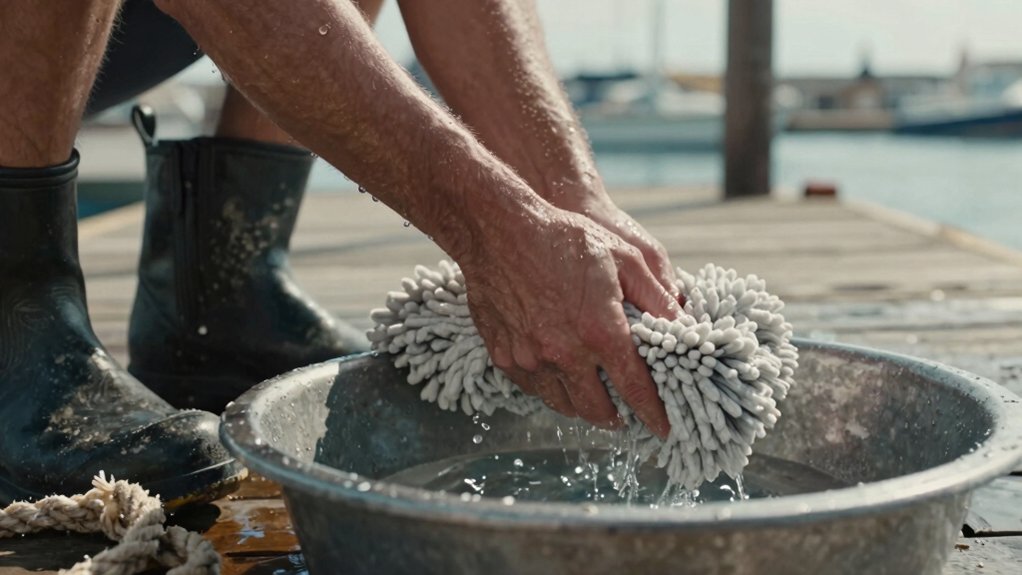
You’ll prep the dock by clearing debris and furniture, sweeping corners, and rinsing to spot stains. Mix a cleaner matched to the material; stage a mop or deck brush; and work in manageable sections from the far end toward the exit. Mop, rinse, and dry each section before returning gear.
Use wood-safe soaps, bleach mix for mold, nonabrasive solutions for composites, and sanitize high-touch rails and controls.
Continue for tips on frequency, disposal, and troubleshooting.
Quick Overview
- Clear the dock area, remove furniture and debris, and sweep or blow out corners before washing.
- Stage appropriate cleaning solution and tools nearby, matching the product to the dock material and following dilution instructions.
- Divide the dock into manageable sections and mop or scrub each section from the far end toward the exit.
- Rinse sections to loosen grime. Then dry immediately with clean microfiber cloths before returning equipment.
- Rinse high-touch areas first. Then sanitize with an EPA-registered product, observing the label contact time.
Prep the Dock Area for Mop Washing
Ready to get the dock prepped for mop washing? You’ll start by clearing the work zone: remove debris and all furniture so you have a clear area to move and operate. Don’t skip corners or under benches. Anything left behind will trap dirt and impede cleaning.
Next, sweep or use a blower to remove loose dirt, leaves, and cobwebs. Work from the far end toward your exit so you don’t recontaminate cleaned sections. After dry debris is gone, rinse the dock with a hose to loosen remaining grime and identify stubborn stains that need attention.
Select a cleaning solution matched to your dock material and mix it to the manufacturer’s dilution. Apply the solution sparingly where needed; you’re prepping, not scrubbing yet. Finally, stage your mop or stiff-bristled deck brush and a rinse source nearby.
With the area cleared and rinsed, you’re ready to proceed to active mop washing.
Quick Mop‑Washing Routine for Dock Cleaning
Start by dividing the dock into manageable sections and work one at a time. Mop from the farthest corner toward your exit so you never step on a cleaned area. Clear furniture and debris, then sweep loose dirt. Rinse to loosen embedded grime.
Mix a mild soap solution or a material-appropriate cleaner and follow label directions. Use a wrung mop for controlled wetting and apply consistent strokes per section. Rinse each section thoroughly and let it dry before moving equipment back.
- Prepare: Remove obstructions, sweep, and pre-rinse to expose the surface.
- Mop Washing: Apply cleaner section-by-section, mopping toward the exit with even, overlapping passes.
- Rinse & Dry: Flush residues, inspect for missed spots, and allow full drying before replacing items.
You’ll maintain efficient dock cleaning by staying systematic. Avoid recontamination and complete rinse and dry steps to protect the dock surface and any subsequent treatments.
Choose Cleaning Solutions by Dock Material
After you finish mopping and rinsing each section, match your cleaner to the dock material to avoid damage and environmental harm. For wood, use mild soap and water for routine cleaning. For mold or mildew, apply a diluted bleach solution (1 part bleach to 4 parts water); rinse thoroughly and let the wood dry completely before reuse.
For composite surfaces, pick non‑abrasive cleaners or a vinegar‑and‑water mix as a gentle option. Verify material compatibility with manufacturer guidance. For concrete, use products formulated for concrete stains and consider controlled pressure washing per label instructions to avoid surface etching.
For metal docks, stick to non‑abrasive cleaners or mild detergent. Avoid scrubbing pads that can scratch and promote corrosion. Always read product labels and test a small area first.
Prioritize eco friendly cleaners or DIY vinegar solutions near water to reduce aquatic impact. Document what works for each dock type so you repeat safe, effective choices consistently.
Rinse, Dry, and Sanitize High‑Touch Dock Areas
Why rinse high‑touch areas first? You remove loose grime and salt that block sanitizers; this ensures you’ll get effective contact and avoid irrelevant discussion about shortcutting prep. Use a pressure‑safe spray, aiming to dislodge residues without damaging surfaces.
- Rinse: Target door handles, push plates, control panels, and railing grips. Use steady, controlled pressure; don’t blast seals or electronics.
- Dry: Wipe immediately with a clean microfiber cloth or disposable wipe. Thorough drying prevents microbial growth and slippery spots; replace cloths when damp.
- Sanitize: Apply an EPA‑registered quaternary ammonium or accelerated hydrogen peroxide product compatible with each material. Cover surfaces fully and respect the label contact time.
You’ll perform this sequence at shift end or after spills to maintain hygiene and safety. Stay focused on these steps and avoid unrelated topics. This isn’t the time for off‑topic procedures or irrelevant discussion that compromises consistency.
Troubleshooting, Frequency, and Eco‑Friendly Disposal Tips
When you encounter streaking, lingering odors, or inconsistent coverage, troubleshoot by first checking water quality and mop condition. Hard‑water minerals can leave films; run a clean‑water rinse cycle on the surface and inspect mop heads for fraying or trapped debris.
Troubleshooting tips: rinse mops thoroughly between uses, launder or replace heads monthly or sooner, and verify detergent dosing. Overuse leaves residue; underuse reduces cleaning efficacy.
Frequency: schedule deep mop washing weekly in high‑traffic dock zones and biweekly to monthly in low‑traffic areas. Adjust for dust, spills, and measured soil levels. Use an industrial mop and bucket system with an automatic floor scrubber in heavy zones to cut cleaning time by 20–30%.
Eco friendly disposal: choose biodegradable, phosphate‑free cleaners, capture rinse water to prevent runoff, and follow local hazardous‑waste rules when rinse water contains oils or solvents.
Document issues, corrective actions, and replacement dates to maintain consistent results and compliance.
Frequently Asked Questions
Can Mop Heads Be Laundered With Regular Laundry Detergent?
Yes, you can launder many mop heads with regular laundry detergent, but you should follow steps to protect fabric and performance. Pre-rinse to remove heavy soil, sort by material, and use a gentle cycle with warm water. Avoid fabric softeners that reduce absorbency.
For laundering padding or foam-backed heads, use mild mopping detergents or hand-wash to prevent damage. Dry thoroughly and inspect for wear before returning to service.
How Often Should Mop Handles Be Replaced?
You should replace mop handles when wear, bending, splintering, or persistent looseness appearsent This typically occurs every 1–3 years in heavy use.
Perform a lifetime assessment quarterly: inspect threads, grips, and joints. Test rigidity and connection security; measure corrosion or sanitary damage. Document findings and retire handles that fail safety or hygiene criteria.
Prioritize replacement for safety and performance. Mop handle replacement decisions should be decisive, documented, and based on objective inspection results.
Can Pressure Washers Damage Dock Coatings?
Yes, can pressure washers damage dock coatings? They can if you use excessive pressure, improper nozzle angles, or hold the wand too close. You should test an inconspicuous area, use lower PSI settings, wide-angle nozzles, and keep the wand moving to avoid stripping or etching.
Follow coating manufacturer guidelines; allow coatings to cure fully before washing. Wear protective gear. When in doubt, consult a pro for safe pressure limits.
Are There Safety Gear Recommendations for Chemical Splashes?
Yes, you should wear full safety gear to protect against chemical splashes. Use chemical-resistant goggles or a face shield, a respirator when vapors are present, and gloves rated for the chemicals in use. Wear a long-sleeve chemical-resistant apron or coveralls and chemical-resistant boots.
Ensure eyewash and safety shower access. Keep spill kits nearby. Inspect gear before use and replace damaged items immediately to maintain protection.
How to Document Cleaning for Regulatory Audits?
You’ll create standardized logs and checklists that meet documentation standards, recording dates, times, personnel, chemicals, concentrations, and waste disposal. Use preformatted electronic forms that produce an immutable audit trail, with timestamps and user IDs.
Keep calibration records, training certificates, and incident reports linked. Store records per retention policy; review them regularly, and run internal audits. Prepare indexed packages for inspectors so you can demonstrate consistent compliance quickly.
Conclusion
Follow this mop-washing dock routine every shift to keep your dock safe, slip-resistant, and compliant. Prep the area, use the right cleaner for the surface, and follow the quick mop sequence to remove debris and contaminants. Rinse thoroughly and dry high-traffic zones. Sanitize touchpoints.
Troubleshoot stains promptly; schedule regular deep cleans and dispose of waste and wastewater per local rules. Stick to this plan, and you’ll minimize hazards and extend your dock’s lifespan.
You may also like: Refill And Drainage Setup Guide — a related guide worth bookmarking.