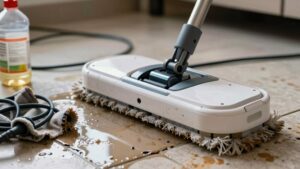
How to Wash and Dry Robot Mop Pads
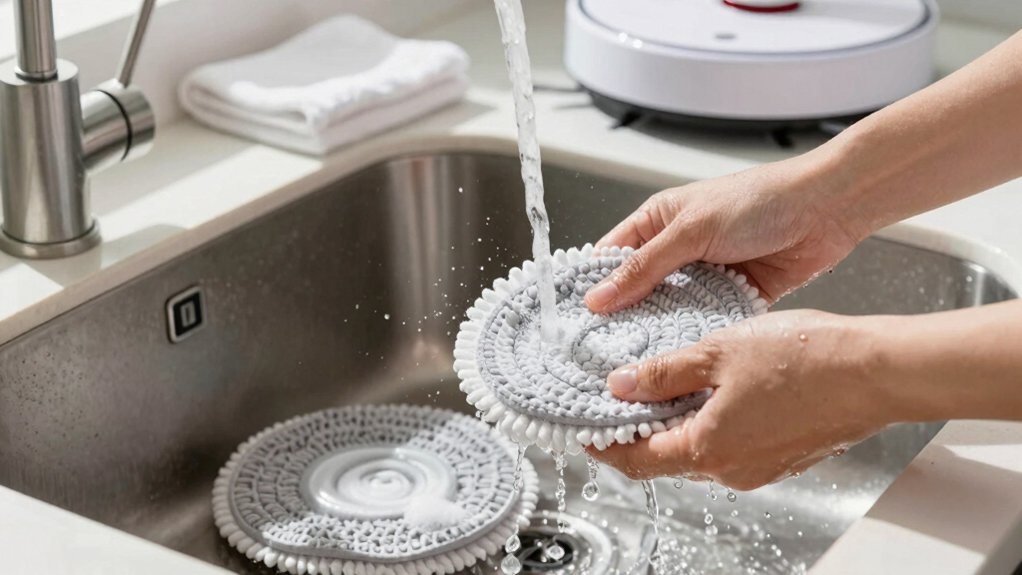
You can keep robot mop pads effective by washing them gently in warm water and air-drying them flat. For machine washes, put one pad per mesh laundry bag; use a gentle cycle and mild, low-sudsing detergent. Avoid bleach or fabric softener.
For hand washing, soak for 10–15 minutes. Scrub softly, rinse until suds are gone, then squeeze gently and lay flat to dry away from direct heat. Follow a few extra steps below to handle odors, stains, and faster drying.
Quick Overview
- Machine-wash pads in a mesh laundry bag on a gentle warm cycle with mild, low-sudsing detergent; avoid bleach and fabric softeners.
- Wash one pad per bag when possible and add a small safety item outside the bag to keep pads flat and untwisted.
- For hand-washing, soak 10–15 minutes in warm water with mild detergent. Gently scrub stains, then rinse until no soap remains.
- Air-dry pads flat in a well-ventilated area away from direct heat or sunlight. Turn halfway for even drying.
- Remove odors or stubborn grime by pre-soaking 15–30 minutes with white vinegar or a baking soda paste before washing.
Quick Steps: Wash & Dry Robot Mop Pads (3–6 Bullets)
Want a fast, reliable way to keep your robot mop pads working like new? Use these quick steps to wash and dry pads without risking pad folding or edge wear.
First, place each pad in a mesh wash bag with a small safety item (like a plastic cap) to hold it flat; that prevents folding and protects edges. Run a gentle cycle in warm water, avoiding bleach and fabric softeners so fibers stay intact. You can wash several pads together in separate bags or, if space allows, in the same bag with other delicates.
For stubborn grime, pre-soak pads in warm water with a mild detergent or a little dish soap; then wash and rinse thoroughly. After washing, air dry pads completely on a flat surface or hanger. Don’t use a dryer. Fully dry pads before storing or reattaching to prevent heat damage, mildew, and reduced cleaning performance.
Best Detergents to Use: And Avoid
Which detergents should you use, and which should you skip to keep pads cleaning well? Use mild detergents or cleaners made for steam or mop pads; they clean without leaving residue or breaking down fibers. The best detergents are low-sudsing, fragrance-free, and labeled gentle or for delicates.
Avoid bleach and fabric softeners; they weaken fibers, reduce absorbency, and shorten pad life. For stubborn grime, apply a baking soda paste or a diluted vinegar solution to lift stains without harsh chemicals. Wash pads in warm water on a gentle cycle; don’t use hot water or high-heat cycles that can warp fibers. Rinse thoroughly after every wash to remove all detergent so residue won’t transfer to floors.
If you machine-dry, use low heat or air-dry. Following these choices keeps pads effective longer and preserves your floors’ finish.
Hand‑Wash Pads: Gentle Step‑by‑Step
If you prefer to avoid the machine or need to clean a heavily soiled pad, hand-washing is quick and gentle. Start by soaking the pad in warm water with a mild detergent for 10–15 minutes. Pre-treat stains or oily spots with a vinegar or baking soda solution. Then, scrub gently with a soft brush to release embedded grime.
Rinse thoroughly under warm running water until no soap remains; residue can impair future cleaning and attract odors. Avoid bleach and fabric softeners to preserve fibers and absorbency. Squeeze excess water without wringing, reshape the pad, and air dry completely away from direct heat or sunlight to prevent deformation and mold. Use these care tips regularly to extend pad life and maintain odor control.
| Step | Why it matters |
|---|---|
| Soak & pre-treat | Loosens dirt and breaks down oils |
| Rinse & inspect | Removes residue that causes odor |
Machine‑Wash Pads Safely (Mesh Bags & Cycles)
When you machine wash robot mop pads, protect them in individual mesh laundry bags and add a small safety item, like a washcloth or mesh strap, on the outside of each bag to keep the pad flat and its edges from folding or snagging. Place one pad per bag when possible; that prevents twisting and protects edges from catches. You can run several bags together; however, separate delicate pads to avoid friction.
Select a gentle cycle with warm water; skip bleach and fabric softeners, which break down fibers and reduce absorbency. Avoid tossing pads loose with heavy laundry; this is an irrelevant topic for pad care and leads to damage. If you must wash multiple pads in one large bag, arrange them flat and secure so they don’t overlap into an unrelated idea of bulk laundering.
Inspect bags for tears before use and zip them closed. After washing, remove pads promptly and reshape them for drying according to the next section.
Dry Pads Quickly Without Damage
Want your pads dry fast without shrinking or losing absorbency? Squeeze gently to press out as much water as you can. Then lay pads flat in a well-ventilated spot: no direct heat. Keep them separate from other fabrics to avoid lint transfer and to let air circulate.
- Place pads on a clean drying rack or flat surface. Turn halfway after 3–6 hours to ensure even evaporation.
- If you need speed, aim a fan at the pads or set them near (not on) a dehumidifier to accelerate drying without heat damage.
- Avoid tumble dryers and high-heat sources; heat can warp fibers and shorten pad life. Resist unrelated topic fixes like tossing them in with a hot load.
- Expect 6–12 hours to fully dry depending on humidity. Check for damp spots and repeat airing rather than using off topic ideas that risk shrinkage.
Follow these steps to dry pads quickly while preserving performance and lifespan.
Managing Drying During Multi‑Room Jobs and Pause Drying
Need to pause drying while your Omni 9 Pro moves between rooms? You can cancel the drying task mid-cycle by saying “ok Yiko, cancel drying mop” to pause drying during multi-room cleaning. Use voice cancel to stop drying immediately when you’re moving to a new area. Then, resume later.
The app also lets you cancel or restart drying across floors when you refill water on a different level. This gives flexibility without waiting for a room’s dry cycle to finish. Remember, drying time is independent of cleaning time; stopping drying to save energy means you’ll likely need a separate drying pass later.
To prevent mold during multi-room drying, either finish the drying after each cleaning pass or do a quick pause-dry and resume dry cycle when you arrive in the next room. When you pause drying mid-job, monitor pad moisture and schedule a follow-up drying step so pads don’t stay damp between rooms.
Fix Odors, Stains, Mold, and Shrinking
Pausing drying mid-job can help you move between rooms, but you’ll want quick solutions for odors, stains, mold, or shrinking once you finish. For odor control, soak pads for 15–30 minutes in warm water with white vinegar. Then wash and rinse thoroughly to remove smells.
For stain treatment, pre-treat with mild detergent or a baking soda paste and gently scrub with a soft brush before washing. To prevent mold, always air-dry pads fully on a flat surface or rack. Never store damp; aim to dry within 24 hours.
Shrinking happens with high heat, so air dry or use a low-heat setting and avoid tumble drying. Use a mesh bag when washing multiple pads.
- Soak in warm water + white vinegar for 15–30 minutes for odors.
- Pre-treat stains with detergent or baking soda paste; scrub gently.
- Air-dry flat or on a rack; store only when fully dry to prevent mold.
- Avoid high-heat drying and tumble cycles to prevent shrinking; use a mesh bag when washing multiple pads.
Care Schedule and Tips to Extend Pad Life
How often should you check and care for your robot mop pads to keep them working well? Establish a weekly care schedule: Inspect pads after each cleaning for stains, fraying, thinning, or odor, and pre-treat any spots. For stubborn grime, pre-soak in warm water with mild detergent or a vinegar solution before hand washing or machine washing.
Wash multiple pads together on a gentle cycle inside a mesh washing bag. Add a small safety item to keep pads from folding and protect edges. Air-dry pads away from direct heat; avoid dryers to prevent heat damage and preserve fiber integrity. Rotate pads so wear is even, and monitor performance closely.
Replace pads immediately if you notice persistent odor, visible thinning, or frayed edges to maintain cleaning effectiveness. Following this care schedule and these practices will improve pad life preservation and keep your robot mop working at peak performance with minimal downtime.
Frequently Asked Questions
Can I Wash Pads With Other Household Laundry Like Towels or Jeans?
You shouldn’t wash mop pads with towels or jeans; they’ll tangle and abrade the pads. You can wash mop pads separately or with other delicate items on a gentle cycle, using mild detergent and no fabric softener.
Use a mesh bag for protection and avoid bleach. For two word discussion ideas, mention “fabric care” and “load separation.”
Dry flat or tumble low to preserve absorbency and attachment strips.
Will Bleach or Fabric Softener Ever Be Safe to Use?
You shouldn’t use bleach or fabric softener on robot mop pads. Bleach safety is limited: it can weaken fibers, fade colors, and damage absorbency, even if diluted.
Fabric softener impact is similarly negative; it leaves residues that reduce absorbency and attract dirt. Instead, use mild detergent, warm water, and an occasional vinegar rinse if you need disinfecting.
Air-dry or tumble low to preserve pad life and performance.
How Often Should I Replace Pads Versus Just Deep‑Cleaning Them?
You should replace pads every 6–12 months depending on use and cleaning efficacy. You’ll deep‑clean them weekly or after heavy soiling.
Inspect pads for thinning, permanent stains, or loss of absorbency; those signal replacement. Keep a replacement schedule based on frequency: replace sooner if you run the robot daily or if cleaning efficacy drops despite proper washing.
Rotate spares so you always have a freshly cleaned pad ready.
Can I Use a Steam Cleaner or UV Light Instead of Washing?
You can use steam cleaning or UV sterilization for robot mop pads, but they’re not perfect replacements for washing.
Steam cleaning can sanitize and loosen grime; yet high heat may damage some synthetic fibers or backing. UV sterilization kills microbes on surfaces, but it won’t remove dirt, oils, or residues.
Use steam or UV as occasional sanitizing methods, but still wash pads regularly per manufacturer instructions to preserve cleanliness and longevity.
Do Washer/Dryer Warranties Get Voided by Washing Mop Pads?
Generally, no, washing robot mop pads won’t automatically void your washer warranty. However, you should check terms for washer warranty and compatibility concerns. Manufacturers might limit coverage if damage stems from improper use, abrasive residues, or chemical cleaners.
Use recommended cycles, low heat, and avoid excess lint. Keep receipts and follow both washer and mop-pad care instructions to reduce risk. If unsure, contact the washer manufacturer for explicit guidance.
Conclusion
Keep pads clean and dry to protect your robot and get consistent cleaning. Wash pads by hand or machine with mild detergent; skip bleach and fabric softener. Use mesh bags and gentle cycles.
Air-dry or tumble low; avoid high heat to prevent shrinking or damage. Treat odors, stains, and mold promptly. Follow a regular care schedule, rotate spares during big jobs, and replace pads when they lose absorbency or structure to keep performance optimal.
You may also like: Pad Cleaning And Replacement Schedule — a related guide worth bookmarking.