Steam Mop Pad Replacement and Care Checklist
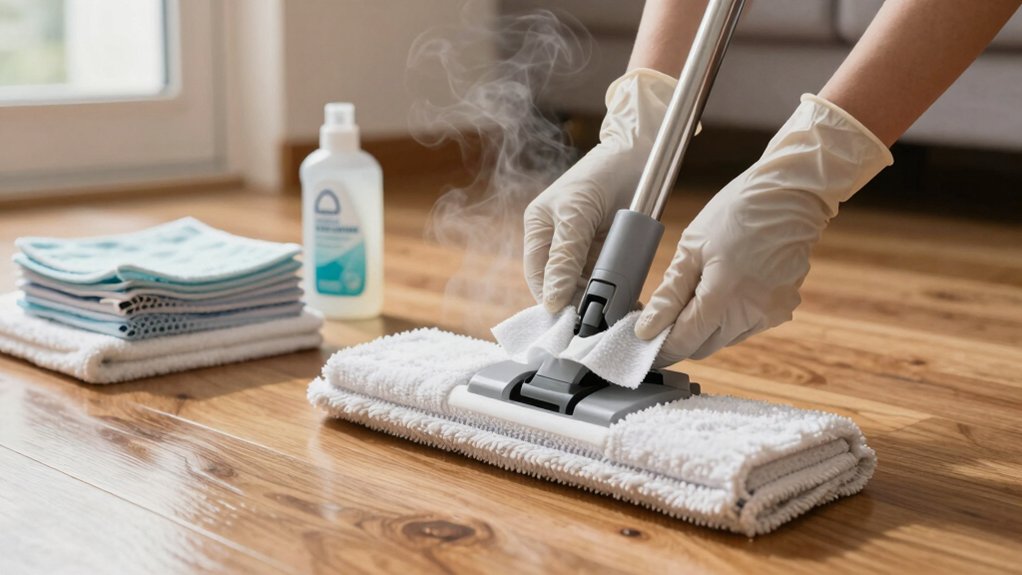
Keep your steam mop pads working well by pre-sweeping floors. Wait for the mop to cool before removing pads. Wash them separately on a gentle cycle with warm water and liquid detergent: no bleach or fabric softener. Line dry or tumble low and store completely dry.
Replace pads every 3–4 months or sooner if edges fray, fabric thins, absorbency drops, or odors persist. Swap pads mid-job for high-traffic areas. Follow simple care steps below to extend life.
Quick Overview
- Pre-clean floors before mopping, and inspect pads frequently for visible dirt, thinning, fraying, or persistent odors.
- Swap pads mid-job for high-traffic areas, and rotate spares to allow drying between uses.
- Machine wash pads separately on a gentle cycle with warm water and liquid detergent. Avoid bleach and fabric softeners.
- For stubborn stains or odors, pre-treat with baking soda or soak briefly in warm water and white vinegar. Then rinse well.
- Line dry or tumble dry low. Store completely dry pads in a ventilated, chemical-free area, and replace every 3–4 months or when performance drops.
What This Checklist Solves : Quick Actions and Outcomes
What problem does this checklist solve? You avoid diminished cleaning performance, avoid mold and odors, and keep floors protected by following quick, practical steps. You’ll pre-clean: sweep or vacuum. Then wait for the mop to cool and steam to release before removing Dirt Grip pads. You’ll machine wash pads separately with warm water and liquid detergent; skip bleach and fabric softeners. Then line dry or tumble dry low. You’ll ensure pads are completely dry and cooled before storing to prevent mildew.
You’ll inspect pads regularly and replace them if edges fray, fabric thins, or odors persist. This preserves cleaning efficiency and floor safety.
This checklist reduces guesswork, cuts downtime, and gives clear outcomes: consistent performance, longer pad life, and fewer maintenance headaches. Use it as a quick reference during chores; do not use it for broader discussion ideas or unrelated topics. The focus is cleaning, care, and timely replacement decisions.
When to Replace Steam Mop Pads (3–4 Months and Wear Signs)
Now that you know the care steps to keep pads clean and dry, you’ll also need a clear rule for when to replace them. Expect typical pad lifespan around 3–4 months with regular use; treat that as your baseline replacement timing. Track cumulative usage rather than calendar time if you mop heavily. More frequent jobs shorten life.
Watch for wear signs: fraying edges, thinning fabric, reduced absorbency, or persistent odors that don’t go away after washing. Repeated machine washing breaks down fibers. When cleaning performance drops or the pad looks visibly worn, swap it out. Don’t wait until streaks or missed soil appear; proactive replacement maintains hygiene and consistent results.
Keep spares on hand so you can change pads as soon as wear signs appear. Purchasing replacements promptly preserves performance and prevents you from relying on degraded pads that leave floors less clean.
Materials for Cleaning Steam Mop Pads
Choose gentle, effective cleaners when you wash steam mop pads so you preserve fibers and restore performance. Use mild detergent or a specialized steam mop pad cleaner; for stubborn stains, add a little baking soda. Warm water improves cleaning action. An optional soak in warm water mixed with white vinegar helps remove odors and adds light disinfection; rinse thoroughly afterward.
For tools, keep a soft-bristled brush on hand for pre-treated spots and hand scrubbing. Machine washing is acceptable on a gentle cycle with warm water. However, avoid bleach and fabric softeners that break down fibers. Don’t substitute harsh cleaning solvents; they can damage the pad and leave residues that affect steam performance.
Observe basic safety precautions: ventilate the area when using concentrates, wear gloves if you have sensitive skin, and fully rinse to remove residues before drying. Air dry completely to preserve shape and function.
Step‑by‑Step Cleaning (Hand vs. Machine Wash)
With the right cleaners and tools in place, you can follow a simple, step-by-step cleaning routine for steam mop pads: either by hand or in the machine. This ensures they come back clean and perform well.
For hand washing, mix 1 liter warm water, 1 teaspoon mild detergent, and 1 tablespoon baking soda. Add a splash of white vinegar if you want deodorizing. Soak pads for 30 minutes, scrub gently to dislodge grime, then rinse thoroughly until water runs clear.
For machine washing, place pads in a mesh bag; select a delicate cycle with warm water, and skip bleach or fabric softeners to protect fibers. After either method, inspect pads for remaining spots and repeat treatment only if needed.
Air dry pads completely; avoid high dryer heat to preserve shape and absorbency. Optionally, pair cleaning with a Lura Wet & Dry Vacuum between uses to minimize dirt buildup and extend time between full washes.
Reattach pads only when fully dry.
How Often to Clean, Rinse, or Swap Mid‑Job
How often should you clean, rinse, or swap a pad mid-job? Inspect pads frequently and act whenever you see visible dirt or discoloration: don’t wait. Replacing pads or doing a quick rinse stops debris redeposit and keeps steam effective. For high-traffic or greasy spots, perform mid cleaning removal and switch to a fresh pad to preserve suction and even steam distribution.
Rotate multiple pads during longer jobs so each one has time to dry and maintain performance. If a pad smells or feels saturated, soak it in a vinegar and warm water solution to disinfect before reusing, provided your model allows that treatment. Always dry pads completely before reuse to prevent mold and fiber breakdown.
Keep swaps quick: detach, replace, and continue. A short routine of inspection, mid-job swapping or rinsing, and proper drying will extend pad life and ensure consistent cleaning results without interrupting your workflow.
Common Mistakes (Bleach, Softener, Heat) and Fixes
Ever wondered why your pads wear out faster or leave streaks? Stop using bleach and fabric softener. Bleach breaks down microfiber and weakens stitching; softeners leave an invisible film that reduces absorbency and spreads residue onto floors. Instead, choose bleach alternatives labeled safe for microfiber or oxygen-based cleaners, and skip softeners entirely.
Don’t rely on hot dryers. High heat deforms fibers and ruins backing materials; even “heat safe fabrics” have temperature limits. Air-dry pads fully on a flat surface or drying rack to preserve shape and function. After washing, rinse thoroughly until water runs clear to remove soap and cleaner traces that cause streaking.
If a pad already smells, feels stiff, or sheds, retire it. Continued use damages floors. For ongoing care: use gentle detergents, avoid additives, rinse well, and air dry. Those steps fix the three biggest mistakes and extend pad life while keeping floors streak-free.
Drying, Storage, Rotation, and Simple Maintenance Tips
Want your pads to last and perform like new? Pat pads with a microfiber towel to remove excess moisture. Then follow proper drying practices: air dry completely and avoid high heat in dryers. If the manufacturer allows, tumble dry on low; otherwise, line dry. Never store damp pads; moisture breeds odors and mildew.
Follow clear storage guidelines: keep pads in a dry, well-ventilated area only after they’re fully dry. Store them separated from chemicals and direct sunlight. Rotate pads regularly: use multiple pads in succession so they wear evenly and last longer. Wash pads after every use to remove soils that degrade fibers. Skip bleach and fabric softener to protect absorbency.
For Dirt Grip pads, plan replacements every 3 to 4 months with normal use to maintain cleaning performance. Simple maintenance—prompt washing, proper drying practices, sensible rotation, and correct storage—keeps pads effective and extends their service life.
Frequently Asked Questions
Can I Use Scented or Mineral Water in the Steam Mop Tank?
Don’t use scented water or mineral water in the steam mop tank. You’ll void warranties and clog or damage the heating element and steam outlets.
Use distilled or demineralized water to avoid mineral buildup. Use plain tap water only if your manufacturer allows it. If you want fragrance, add mop-safe scent pads or use a recommended external fragrance accessory.
Always follow the user manual for cleaning and descaling intervals.
Are Replacement Pads Compatible Across Different Steam Mop Brands?
Not always: you’ll find compatibility varies by model and brand. Compatibility questions are common. Manufacturers design pads for specific sizes, attachment types, and materials; therefore, brand compatibility isn’t guaranteed.
Check dimensions, fastener style (Velcro, buttons), and fabric recommendations before buying. Use OEM pads when possible for best fit and warranty protection. Alternatively, buy third-party pads listed explicitly as compatible with your steam mop model.
Can I Iron or Steam-Sanitize Pads Instead of Washing Them?
You can, but it’s usually not ideal. Ironing or steam-sanitizing pads can shrink or damage fibers, which reduces absorbency and longevity. For pad care ethics, prioritize manufacturer instructions and environmental impact: washing cold and air-drying is gentler and eco-friendlier.
If you try steaming or ironing, test one pad first; avoid high heat and clean residues promptly. Use these discussion ideas to weigh convenience against pad lifespan and hygiene safety.
Do Pet Odors Require Special Pad Treatments or Products?
Yes, pet odors often need special pad treatments or products. You should use pet odor solutions like enzyme cleaners or baking soda pre-treatments before washing to break down urine and scent molecules.
Choose pad treatment options labeled enzyme-based or odor-neutralizing. Avoid strong fragrances that mask smells, and wash pads in hot water with detergent. Air-dry thoroughly; repeat treatment for persistent odors to fully eliminate them.
Are Microfiber Pads Safe for Hardwood With Polyurethane Finish?
Yes, microfiber pads are safe for hardwood with a polyurethane finish when used properly. You should use a damp (not soaking) pad; avoid harsh chemicals or abrasive scrubbing; and follow your floor maker’s recommendations.
Microfiber gently lifts dirt without stripping the finish. However, don’t over-wet seams or let water pool. Replace worn pads to prevent scratches, and test a small area first if you’re unsure about compatibility.
Conclusion
You’ve now got a simple, practical plan to keep steam mop pads working at peak performance. Replace pads every 3–4 months or sooner if they tear, thin, or smell.
Clean regularly with mild detergent; hand wash or machine on gentle. Skip bleach, fabric softener, and high heat. Rinse well, air or tumble dry low, and store pads flat.
Rotate spares during long jobs and inspect for wear. Little upkeep saves time and prevents floor damage.
You may also like: And Dry Robot Mop Pads — a related guide worth bookmarking.