Do You Need a Vacuum Cover? What It Actually Protects Against
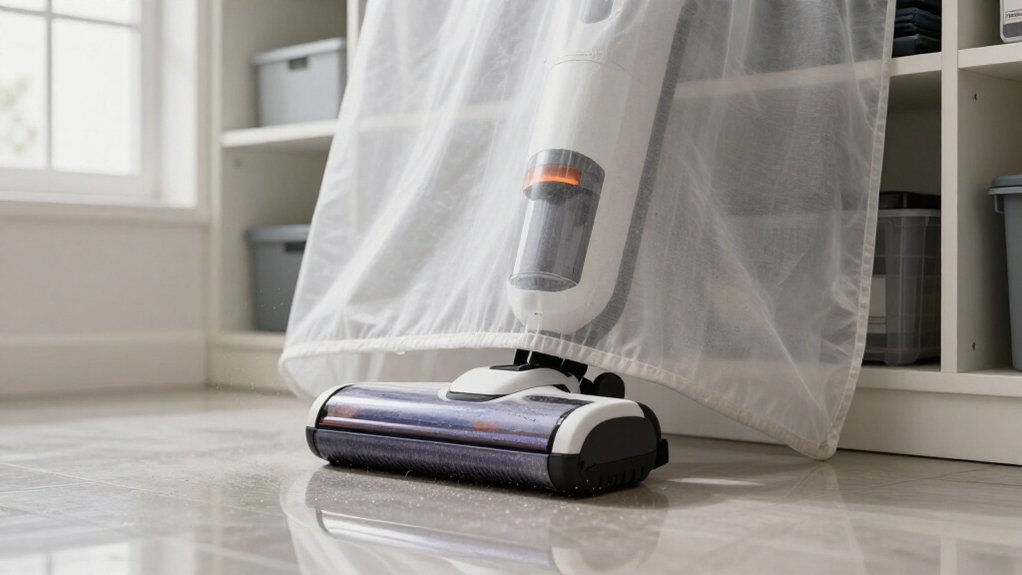
You don’t need a vacuum cover for every situation, but you’ll benefit from one when storing a sofa or protecting it during transport. A fitted cover shields upholstery from dust, spills, sunlight, abrasion, and cat-claw snags.
Choose breathable fabric for airflow or plastic for a stronger moisture barrier, while recognizing plastic can trap humidity.
Fit it snugly, never seal damp upholstery, and keep sofa feet clear.
The sections below explain sizing, materials, and maintenance checks.
Protects Sofas From Dust
A vacuum storage cover protects your sofa from dust and dirt by creating a tight barrier that keeps particles from settling on the upholstery. When you clean and dry the sofa first, the cover helps preserve that clean surface between uses or during short-term storage. Choose a thick, durable plastic cover that fits snugly without leaving exposed gaps.
Water-resistant materials can also limit dust contamination after light moisture exposure, but they won’t replace drying or ventilation. Never seal damp fabric: trapped moisture can encourage mildew and odors, undermining protection.
Vacuum compression may tighten the barrier, yet it can flatten fabric and leave creases. Use it selectively, and inspect the sofa after removal. For longer storage, prioritize breathable protection and checks to maintain freshness.
Shields Upholstery During Storage
When you store a sofa, chair, or cushion, a fitted vacuum cover shields the upholstery from dust, spills, sunlight, and abrasion. Choose a cover that’s sized to your furniture; a close fit limits contact with dust and stored items. Opaque or UV-treated fabric helps slow fading, while a coated surface resists minor splashes. Don’t wrap clean, damp upholstery: trapped moisture can encourage mildew. Use vented material or open the cover periodically in humid storage areas.
| Exposure | Cover feature | Practical result |
|---|---|---|
| Dust | Close fit | Less settled residue |
| Sunlight | Opaque fabric | Slower fading |
| Splashes | Coated fabric | Reduced staining |
| Humidity | Ventilation | Lower mildew risk |
Before covering, remove debris and let fabric dry fully. Measure the sofa first, because a tight cover can strain seams and crush cushions.
Prevents Cat-Claw Snags
If your cat scratches stored upholstery, a taut vacuum cover can create a smooth barrier that keeps claws from catching fabric, loose threads, or exposed edges. By reducing folds and looseness, it gives claws fewer places to hook than loosely covered upholstery. Vacuum compression also keeps stored items flatter, which limits accessible corners and raised sections during scratching attempts.
For reliable protection, pull the cover tight and check each seam and zipper for gaps. Openings can still let claws reach underneath, so close them securely before storage. This approach works best for short-term storage. Don’t treat it as a permanent solution: trapped moisture or creases can still affect upholstery condition. Inspect the item periodically, especially in humid rooms, and release it promptly if dampness appears.
Plastic, Fabric, Fitted Covers
You’ll get the strongest barrier against dust and moisture from a plastic cover, but heat and trapped humidity can cause problems.
Fabric covers offer better breathability, reducing odor and condensation risk during storage. Fitted covers provide a secure fit that won’t snag on accessories or shift during handling.
Plastic Cover Protection
Plastic, fabric, and fitted covers protect a stored vacuum from dust, light debris, and incidental moisture by limiting its exposure to the surrounding air. A plastic cover also creates a barrier against humidity and incidental splashes, helping keep your vacuum’s exterior, controls, vents, and electrical contacts cleaner and drier. It can limit dust and debris settling on the machine, reducing contamination around filters and seals.
During storage or transport, a fitted cover helps prevent scuffs, minor knocks, and dirt transfer to your vehicle or surrounding surfaces. Choose a cover that fits without pressing controls or blocking necessary ventilation. Don’t seal a damp vacuum: trapped moisture can encourage mold and corrosion. Plastic offers tighter protection than fabric, but it may trap heat and condensation, too.
Fabric Cover Benefits
Fabric covers offer a lightweight, breathable barrier against dust, minor dirt, abrasion, and snags during storage or travel. They’re useful when you want to protect a vacuum bag’s outer surface without adding much weight or trapping unnecessary heat. The fabric helps limit scuffs and keeps straps, handles, or nearby items from snagging the bag. It can also reduce dirt transfer during transport and storage while remaining easier to handle than a bulky plastic layer.
However, a fabric cover doesn’t create an airtight barrier against air or moisture. Your vacuum bag’s valve and extraction seal perform that job. Use fabric only after you’ve washed and dried clothing; it can’t correct trapped moisture, which may encourage mold or mildew. Check the cover periodically if any dampness develops.
Fitted Cover Advantages
A fitted cover creates a close barrier that helps keep stored garments free from dust, lint, and minor moisture. A fitted plastic cover can reduce air exposure and help clothing stay cleaner and less musty during short-term or storage. However, its seal can trap moisture, so you must dry garments completely before sealing.
Plastic flattens fabric and may cause permanent creases or loss of shape and elasticity over periods. Choose plastic to reduce crinkling, but avoid it for wool, silk, and cashmere.
A fitted fabric cover offers surface protection against dust while allowing more airflow. It won’t provide the airtight barrier as plastic, yet that breathability can reduce condensation concerns. Whichever option you choose, match the cover to your storage conditions. Check garments periodically.
Cover Size and Fit
Choose a cover that matches your vacuum’s height, width, and depth without excess material. Measure the appliance, including handles and attachments, so you’ll get full coverage without overstuffing. A snug fit keeps the cover secure while allowing ventilation and easy access.
Choosing the Right Size
Before buying a vacuum cover, measure your vacuum and compare its dimensions with the available storage space. Choose a size that accommodates the machine without wasting room or forcing it into a cramped fit. You’ll need clearance for the cover to close and seal. A tight squeeze can prevent an airtight closure, reducing protection from dust, moisture, and odors.
Consider how you’ll store the vacuum. If you’ll stack or lay it flat, select a size that lets the contents sit evenly rather than bunching up. Uneven packing creates wrinkles and gaps that weaken the seal.
For travel, match the cover to the luggage space; small or jumbo options may suit loads. Confirm that the sealing area aligns with the cover’s valve or zipper system.
Measuring Your Vacuum Cover
Start by measuring the vacuum’s full exterior length and width, including any straps, handles, or attached accessories. Use those measurements—not the manufacturer’s interior dimensions—to select a cover. Check its listed length and width against the vacuum’s size, including the height or depth created by attachments.
If you’re using a vacuum storage bag, measure the packed item after you’ve folded or rolled it tightly. Compression may reduce volume by roughly 75–80%, but overfilling can keep the bag from sealing completely. Compare the bag’s dimensions with your sealer’s capacity; common formats include 24×16 inches for smaller loads and 48×36 inches for jumbo loads. Finally, verify that the valve or zip area lines up with the sealer hose or handheld pump, so sizing doesn’t block air removal.
Ensuring a Snug Fit
Although a loose cover may seem easier to fit, it won’t protect your vacuum effectively or maintain a reliable seal. Measure your vacuum’s length and width, then choose a cover that matches those dimensions closely. Make sure it overlaps every seam and edge of the bag or container, because gaps let air leak back in and weaken vacuum retention.
If you’re using a vacuum storage bag, stack items evenly so the cover lies flat. Bulges can block uniform contact and compromise the seal. Select the correct size rating, such as jumbo for bulk contents, and don’t overfill it. The material should seal around the perimeter without excessive stretching. A stretched cover may deform, creating new leakage points. Check the fit before storage and reseal promptly.
Before Painting a Room
When you’re preparing a room for painting, you usually don’t need a vacuum cover. A vacuum-sealed bag stores belongings compactly and shields them from dust or humidity, but it won’t control fumes or replace floor protection. Before painting, vacuum walls, trim, and floors with a HEPA-equipped machine, or wipe surfaces with a damp cloth. Grit can cause peeling, bubbles, or a rough finish.
Use painter’s plastic drop cloths to catch drips and splatter; mask edges, outlets, and fixtures. Ventilate the room to manage odor and exposure; a cover can’t improve air quality.
| Protection goal | Best approach |
|---|---|
| Dust on surfaces | HEPA vacuum or damp wipe |
| Paint drips | Painter’s plastic drop cloth |
If you’re covering belongings, keep them away from paint and choose breathable protection.
Never Cover Damp Upholstery
Never cover damp upholstery with a vacuum cover, because the airtight seal traps moisture and creates conditions that encourage mold and mildew. Even after you remove air, humidity remains inside the cover, worsening musty odors and causing discoloration in fabric and padding.
Moisture can settle below the surface, where it stays hidden and supports growth.
Dry the upholstery completely before covering. Check fabric, seams, and padding rather than relying on a dry surface. If any area feels cool, damp, or smells musty, keep it uncovered and improve circulation until it dries throughout.
Compression can leave creases or reshape materials, especially when upholstery remains wet. Once dry, use the cover and air the upholstery periodically. Don’t seal moisture in; drying protects its appearance and condition.
Don’t Block Sofa Feet
Keep the space beneath your sofa clear so its feet or glides stay firmly in contact with the floor. Don’t vacuum-seal or tightly pack items until they become tall or bulky enough to force against a foot. A blocked foot can misalign the frame, restrict airflow, and trap moisture or dust, encouraging odors or mildew underneath.
- Choose vacuum bags that compress contents into a flat packet.
- Aim for roughly 75–80% volume reduction without lifting the sofa base.
- Leave clearance around every foot or glide.
- Place floor-level liners where they won’t press into supports.
- Recheck placement after the couch settles, since packs can shift.
Your sofa should rest, not on a suspended cushion of storage. Stable placement protects airflow and keeps the frame supported.
Inspect Your Cover for Tears
Before you seal the vacuum cover, inspect it for tears, pinholes, and gaps along the seams. Check the entire valve area and sealed edges, where air can slowly seep back in. Look for cloudy spots, brittle plastic, or stretched seams; these signs suggest the cover may no longer stay airtight.
If you find any damage, rebag the item instead of patching it. A compromised cover can fail under compression, trap moisture, and increase wrinkling, odor, or mold risk. Make this inspection a habit before sealing and again before long storage.
Vacuum sealing works best for short-term storage, no longer than six months. Use this check to decide whether your cover is ready for storage.
| Check | Action |
|---|---|
| Tears | Rebag |
| Valve | Inspect |
| Plastic | Replace |
| Storage | Limit |
Conclusion
A vacuum cover does more than keep your sofa looking clean. It protects upholstery from dust, storage grime, and accidental cat-claw snags, while giving you a practical barrier during painting. Choose a fitted, breathable cover that matches your sofa’s size, and inspect it regularly.
Don’t seal damp upholstery, block the feet, or ignore tears. With those precautions, you’ll extend your sofa’s life and avoid preventable damage without sacrificing its appearance or comfort over time.