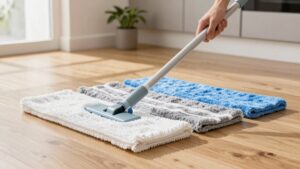
Types of Vacuum Cleaners Explained: 6 Formats and Which One Fits Your Home
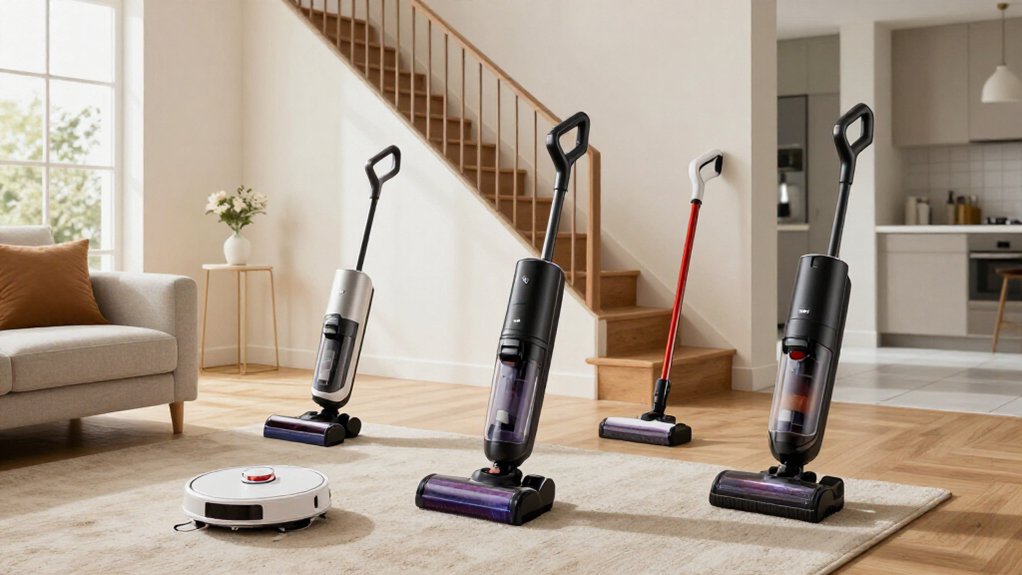
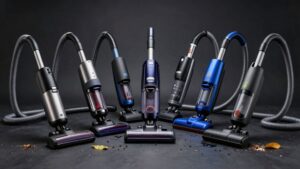
Vacuum cleaners come in six practical formats: uprights tackle deep carpet, canisters maneuver across hardwood, tile, and stairs, sticks handle pickups, handhelds clean crumbs and upholstery, robots provide scheduled maintenance, and robot mops add wet cleaning.
Choose bagged containment for cleaner allergen disposal or bagless convenience with more frequent bin and filter care.
Match suction and brush-roll settings to flooring, verify HEPA filtration, and measure storage space.
Continue for feature comparisons that’ll help you choose confidently.
Five Core Vacuum Formats
When you’re comparing vacuum cleaners, start with the five core formats: upright, canister, stick, handheld, and robotic. Choose an upright for deep carpet cleaning; its integrated motor and brush roll provide strong agitation, though the unit is heavier and less agile on stairs. Select a canister for hardwood, tile, mixed flooring, or detailed tool work; its hose and separate body improve maneuverability but require more storage management.
A stick suits quick daily pickups, apartments, and small spaces, trading full-size suction and capacity for low weight. A handheld targets crumbs, upholstery, cars, and stairs, not whole-home cleaning. A robotic vacuum handles scheduled maintenance autonomously, but navigation, thresholds, carpet height, and small dustbins limit performance. Match formats to your flooring, debris load, storage, and cleaning frequency.
Robot Mops Add Convenience
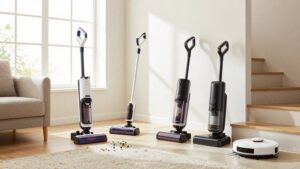
Robot vacuums with mopping extend scheduled cleaning by switching between vacuuming and wet-mop or vibrating-mop modes to remove dust and light stuck-on grime. With app controls, you can adjust water flow, vibration frequency, and suction level for your floor type and mess. A model such as the ECOVACS DEEBOT N20 Pro Plus pairs suction with OZMO Pro 2.0 vibration to lift stubborn stains. Use this format for ongoing light-to-moderate maintenance, not heavy carpet cleaning. Clear cords, toys, and obstacles so navigation stays reliable.
| Setting | Practical use |
|---|---|
| Water flow | Match sealed floors |
| Vibration | Target stuck-on grime |
| Suction | Lift daily debris |
Schedule runs regularly between deep cleans, and empty or maintain the robot. You’ll gain hands-off consistency, but you should check manufacturer guidance before wet-mopping sensitive surfaces.
Bagged Versus Bagless Systems
When you choose a bagged vacuum, you replace a sealed bag, while a bagless model collects debris in a detachable bin. You’ll generally get cleaner disposal and better allergen containment with bags, although both systems can use HEPA filtration to improve air quality.
You’ll need to compare emptying convenience, filter maintenance, and long-term operating costs before deciding.
Bagged Vacuum Basics
With bagged vacuums, dirt and fine particles collect inside a sealed disposable bag, while bagless models deposit debris in a removable dustbin. The bag contains waste during removal, so you’ll typically release fewer particles into the room. That extra barrier makes this format a practical choice if you have allergies or want cleaner dust handling.
For best results, choose a model with a HEPA filter and tightly sealed airflow; filtration matters as much as the collection method for capturing dust and dander.
Replace the bag when full, because restricted airflow can reduce cleaning performance over time. You’ll need to budget for replacement bags, an ongoing operating cost. Check bag availability and fit before buying, particularly if you plan to keep the vacuum for years.
Bagless Vacuum Basics
A bagless vacuum collects debris in a removable dust bin, so you can empty it quickly without buying replacement bags, but you’ll typically empty it more often because the bin holds less. You’ll avoid bag purchases, but long-term costs can rise when you replace filters or clean cyclonic components to maintain suction.
Check bin capacity, release mechanism, and fill indicator before buying. A smaller bin suits quick cleanups but needs frequent attention in busy homes.
Choose strong filtration, preferably HEPA, and a sealed airflow path. Confirm whether filters are washable or replaceable, follow cleaning instructions, and dry washable parts fully before reinstalling them.
Bagless designs can simplify routine upkeep, but compare filter costs and maintenance demands with your household’s cleaning frequency and budget.
Dust Containment Differences
If dust containment is a priority, you’ll generally get cleaner disposal from a bagged vacuum because its sealed bag holds dirt and allergens until replacement. During servicing, you remove the full bag and install a fresh one, limiting direct contact with collected debris. Bagless models use a detachable bin, so you can empty them quickly and avoid buying replacement bags.
However, opening that bin can release fine dust, particularly if you empty it indoors or handle it carelessly. You’ll usually perform more frequent emptying and container maintenance with a bagless system, while bagged designs mainly require timely replacement. Choose a sealed bag system if minimizing dust escape during disposal matters most; choose bagless if convenient access and reusable containment appeal more for your routine.
Filtration And Air Quality
Filtration affects how much fine dust and allergens a vacuum returns to your room, so look for a genuine HEPA filter and replace or clean it as the manufacturer recommends. HEPA media captures very small particles, reducing dust, pollen, and other allergens recirculated through the exhaust. Verify genuine HEPA performance instead of trusting vague high-filtration claims.
Bagged systems seal debris in disposable bags, so you’ll usually release less dust during removal. They’re often preferable when allergy exposure matters, provided the bag and housing seal properly.
Bagless models collect debris in a bin; emptying one can disturb concentrated fine particles, so dispose of contents carefully. Filter-based systems generally don’t need outside venting, while some cyclonic designs vent particles outdoors. Overall, airflow matters more than format.
Maintenance And Convenience
Once you’ve considered how well a vacuum filters exhaust, compare how its debris system affects maintenance and air quality. A bagged vacuum seals collected dust inside a disposable bag, so you’ll usually contain allergens more effectively and avoid frequent bin emptying. Replace the bag when it’s full, following the manufacturer’s indicator or schedule.
A bagless model uses a removable dirt bin, making quick disposal convenient and eliminating bag replacements. However, emptying the bin can release dust, so you’ll want to do it outdoors and wear a mask if you’re sensitive. Keep its filters clean, and expect filter servicing or replacement roughly every three to six months. Choose HEPA filtration in either format to trap dander and allergens. You’ll balance allergy containment against daily convenience.
Cost And Environmental Impact
When you’re comparing long-term cost and environmental impact, consider which consumables the vacuum requires. Bagged models contain dust in sealed bags, so you’ll handle less debris and reduce exposure during replacement. However, you’ll need to buy bags regularly, adding recurring cost and disposable waste.
Bagless models avoid bag purchases, but you’ll empty the canister yourself; careless disposal can release dust. Their ongoing expenses shift toward cleaning or replacing filters, and frequent filter replacements can increase waste and emissions.
For either design, prioritize filtration. A HEPA filter can capture dander and allergens, influencing health impact more than bag format alone. Compare availability, replacement frequency, energy use, and service life. Choose the system whose consumable schedule, disposal demands, and recycling options fit your habits and budget.
Match Vacuums to Flooring
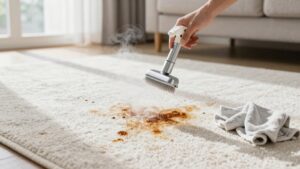
Choose an upright with adjustable brush-roll height to clean carpets and thick rugs effectively. For hardwood, disable the brush roll or use a non-brush head, while a suitable floor tool helps remove debris from tile and grout.
If you have mixed flooring, choose a model with sealed airflow and multi-surface brush-roll control.
Clean Carpets Effectively
Match the vacuum to your flooring: an upright with a motorized brush roll provides the agitation needed to lift embedded dirt from wall-to-wall carpet and thick rugs. Its height adjustment and wide power head help maintain contact across pile depths, while strong airflow draws debris from the base.
For mixed flooring, choose a model with brush-roll on/off or multisurface control; disable agitation when crossing noncarpeted sections to prevent scattering debris. A canister with a motorized powerhead also works well if you need more maneuverability on stairs, upholstery, or varied carpet types.
Prioritize sealed airflow so suction remains consistent when you change heads or surfaces. If you’ve got pets, select a carpet-rated powerhead with a tangle-resistant brush, and use HEPA filtration to capture dander effectively.
Protect Hardwood Floors
After deep-cleaning carpets, protect hardwood with a canister vacuum fitted with a dedicated hard-floor head. Its separate wheeled body and flexible wand help you navigate tight spaces, stairs, and furniture without dragging a heavy upright across the finish. Choose a multi-surface model with adjustable suction and a brush-roll on/off switch. Disable the motorized brush on bare wood, or use straight suction, so bristles don’t scratch surfaces or fling grit.
A parquet-style floor brush with soft bristles lifts dust safely. Prioritize HEPA filtration, which traps fine dust and dander before they settle back onto your floor.
For mostly bare-floor homes, a canister typically offers better control than an upright. Empty the bin or replace the bag regularly to maintain airflow over time and consistent pickup.
Handle Tile And Grout
When you’re cleaning tile and grout, use a canister or upright vacuum with a hard-floor setting and strong, consistent suction. A brush-roll on/off control helps prevent debris from scattering across the tile. For narrow grout lines, choose a crevice tool and extension wand, so you can direct airflow into seams without scraping the tile surface.
In mostly bare-floor homes, a canister usually works best because you can maneuver around edges and under furniture while maintaining gentle contact. An upright can also perform well when its floor head disengages agitation. Look for strong airflow that lifts dust from recessed joints, and select HEPA filtration to capture loosened dust and dander, helping keep air cleaner. Empty the container or replace the bag regularly to preserve suction.
Choose Multi-Surface Models
Choose a multi-surface vacuum based on the flooring it must clean most often. For mostly hardwood or tile, select a canister or model with brush-roll on/off control. Turning the roll off prevents scattering and scratching while preserving suction. For wall-to-wall carpet or thick rugs, choose an upright with a motorized brush roll and adjustable agitation to lift embedded dirt.
If your home mixes flooring, prioritize sealed airflow and multi-surface attachments for consistent suction during switches. Pet owners can’t overlook a tangle-resistant brush and HEPA filtration to capture hair, dander, and allergens instead of recirculating them. Check specifications to confirm your vacuum handles all surfaces without a hard-floor-only workaround. The model should switch between carpet and bare floors, saving you from changing machines or compromising performance.
Measure Storage Space First
Before buying, measure the available floor space and vertical clearance, including the handle, so the vacuum will fit where you plan to store it.
Check the unit’s footprint and height rather than measuring only its cleaning head. If you’re considering a canister or stick, confirm clearance for the canister body, hose, and attachments. Corded models need enough room for the cord and rewind system without tight bends or pinching.
For a cordless stick, reserve wall space for its charging dock or place it near a suitable outlet. Measure closets and stair-adjacent areas too. A detachable upright or two-part canister may need an accessible, dedicated spot, especially when you use it frequently. Compare these dimensions with doorways, shelves, and nearby storage obstacles before you choose.
Check Noise and Controls
Noise and control layout affect how comfortably you’ll use a vacuum, so check its sound rating and switch placement before buying. Robot models may target quieter operation; for example, the Narwal Flow 2 is listed at about 56.5 dB. Traditional uprights and canisters often run louder, making them better for deep-cleaning sessions than quiet daytime touch-ups.
Choose reachable controls that let you turn the brush roll on or off and adjust suction for each surface. Use agitation on carpet, but disable it on hard floors when gentler handling helps prevent debris scattering. For corded machines, upright cord-release clips or a canister’s rewind feature simplify cable management. If noise affects your routine, schedule a robot for maintenance cleaning and reserve louder machines for intensive work.
Check HEPA Filter Seals
Once you’ve checked noise and controls, inspect how well the HEPA filter seals inside the vacuum. A properly fitted gasket should close the filter housing completely; even a small gap can let fine dust escape into your room. Look for “encapsulated” or “sealed” HEPA systems, which combine HEPA media with a tight seal.
Check that the entire dust path, from inlet to HEPA outlet, stays contained so air can’t bypass the filter.
If you’ve chosen a bagless model, inspect the seal after emptying the bin; repeated handling can loosen it or create gaps. Follow the manufacturer’s replacement schedule, and re-seal or replace the filter when its gasket wears over its service life. A HEPA label means little if dirty air leaks around it.
Pet-Hair Attachment Options
Choose pet-hair attachments that match the surfaces you clean most. A tangle-resistant brush roll helps prevent hair from wrapping around the agitator, while a pet-specific upholstery tool lifts stubborn fur from sofa cushions and stairs. For mixed flooring, select a multi-surface head with brush-roll on/off control so you don’t scatter hair across hard floors. Use a crevice tool or extension wand along baseboards, vents, and corners.
If dander concerns you, choose HEPA filtration to capture allergens and reduce recirculation.
- Tangle-resistant brush roll: reduces maintenance.
- Pet-hair upholstery tool: targets cushions and stairs.
- Crevice tool: reaches edges and narrow gaps.
- Extension wand: improves reach without bending.
- HEPA filtration: traps fine dust and dander.
For robot vacuums, compare suction and agitation; high-suction models can improve pickup on carpets and hard floors.
Conclusion
Choosing a vacuum gets easier when you match its format to your home, not its marketing claims. Consider your flooring, storage space, noise tolerance, and cleaning routine before you buy.
Decide whether bagged filtration, sealed HEPA performance, or bagless convenience matters most. If you have pets, prioritize effective attachments and brush design.
A robot mop can reduce daily work, but it won’t replace thorough cleaning. Compare these details, then choose confidently for your household today.