How to Choose the Right Vacuum for Your Home: 8 Questions Before You Buy
Start by mapping your home’s floors by surface area, then ask: Do you need carpet agitation, gentle hard-floor cleaning, or adjustable settings for both?
Do pets, stairs, or allergies require a motorized tool, detachable pod, sealed system, or true HEPA filtration?
Will corded reach beat cordless runtime?
Can it handle kitchen crumbs and crevices?
Are attachments included and storable?
What will filters cost?
Is noise acceptable?
Finally, test maneuverability.
You’ll find more guidance below, too.
Map Your Floor Types
Before choosing a vacuum, walk through your home room by room and note the dominant floor type—wall-to-wall carpet, thick area rugs, hardwood, tile, laminate, or vinyl.
You’ll need a map of how much surface each type occupies, not which rooms contain it. If carpet dominates, choose an upright built for deep cleaning and agitation, so its brush roll can lift embedded dust from the pile. For mostly bare floors, hardwood and tile, a canister offers the best fit and handles spaces.
A cordless stick can work in a small home with minimal mess variety, but don’t assume convenience equals performance. If your home combines surfaces, prioritize a vacuum with adjustable height settings and brush-roll control, allowing you to switch between carpet and hard flooring.
Assess Pets, Stairs, Allergies
Once you’ve mapped your floors, consider how pets, stairs, and allergies will affect your vacuum choice. If you have pets, match the cleaner to your flooring: choose a model with a motorized pet tool and an anti-tangle brush roll for carpet, while a canister or stick may suit hard floors. Check real-world pet-hair results, especially if hair settles deep in carpet pile.
For stairs, don’t prioritize raw power over convenience. A detachable pod or two-part canister reduces carrying strain between levels.
If allergies affect your household, choose a fully sealed vacuum with advanced multi-stage filtration, ideally HEPA, to limit dander recirculation. A lightweight stick or handheld can handle quick stair and spot messes, so you won’t lug the main vacuum for every cleanup.
Check Suction and Filtration
With your pet, stair, and allergy needs in mind, evaluate more than a vacuum’s advertised suction number. Compare airflow (CFM), sealed pathways, suction control, and brush-roll contact: together, they determine pickup across carpet and bare floors. Look for adjustable height and a soft setting so rugs don’t snag or scatter debris.
| Need | Check |
|---|---|
| Carpet | Motorized brush, adjustable height |
| Allergies | Sealed True HEPA exhaust |
True HEPA removes 99.97% of particles at 0.3 μm, while “HEPA-like” may not meet that standard. A sealed system prevents unfiltered leaks. For pets, choose a tangle-resistant roller and verify hair-pickup tests.
Check lab scores for carpet, hard floors, exhaust leaks, and suction consistency as the bin fills. Empty it before full; clean or replace filters as directed, drying washable parts.
Runtime vs. Corded Reach
When you choose a cordless vacuum, check its real-world runtime, since motorized rollers and higher-power settings can cut advertised battery life substantially. A corded model offers sustained cleaning and broader reach, but you’ll need to manage outlet changes, cord restrictions, and tripping risks.
Consider your priorities: cordless convenience suits quick cleanups and multi-level homes, while corded reliability better serves frequent whole-room cleaning.
Cordless Runtime Limits
Cordless vacuums offer easy maneuverability, but their battery runtime can limit how much you clean in one session. Check the stated minutes against your routine, because motorized rollers and stronger suction usually consume more power than low-power hard-floor modes.
In practice, usable runtime may fall by half, depending on your floor type and selected setting. If you clean multiple levels, choose a lightweight model with a detachable battery, so you can swap batteries instead of waiting for a recharge.
For quick touch-ups, one charge may cover your needs. Whole-home cleaning requires a higher-capacity model, extra batteries, or a second vacuum. Also check battery replacement cost and cycle life; runtime gradually declines with age. Treat runtime as an optimistic estimate, not a guaranteed session length.
Corded Cleaning Reach
If battery runtime isn’t enough for your cleaning routine, a corded vacuum gives you effectively unlimited operating time, but its reach becomes the limiting factor. Measure usable reach by adding the cord length to the hose and attachment extension. Then compare that distance with your hallway length and the space beneath furniture.
A long cord can suit an open-plan area, while a shorter cord may force outlet changes.
Map outlets before buying, especially if you’ll clean multiple rooms. Multi-level homes may require changes between floors, and a cordless model can be easier to carry. Consider cord routing: a cable can create a trip hazard, snag on furniture, or slow you during winding. Choose the model minimizing repositioning during cleaning, not the longest cord.
Charging And Downtime
Battery runtime can limit cleaning just as much as a cord limits reach, especially when you use a motorized roller or high-suction mode. Cordless claims often reflect low-power hard-floor testing, so check normal carpet results; real-world runtime may be about half. A typical cordless stick lasts roughly 17 minutes, though results vary.
Corded vacuums avoid battery-time limits, but you’ll need an outlet and enough cable to cover each area. For a cordless model, plan where the dock will sit so you can charge between uses; limited access increases downtime.
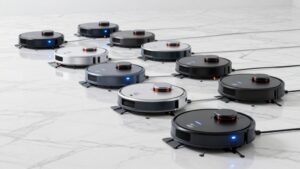
In a multi-level home, detachable batteries or swap-not-wait designs let you continue cleaning while another pack charges. If you use a robot, account for trips back to its dock and self-emptying capacity: a small bin can create manual interruptions even when schedule runs automatically.
Choosing Your Priority
How you clean should determine whether you prioritize cordless runtime or corded reach. Cordless sticks give you fast, grab-and-go cleaning, especially for quick daily pickups, stairs, and multi-level homes. Choose a lightweight model with a detachable battery, so you can swap packs instead of waiting. Check real-world runtime, though: advertised figures often use low-power settings, while motorized rollers drain batteries faster.
For larger homes or long, continuous sessions, corded reach may matter more than a battery’s rated runtime. You won’t face charging anxiety, and power stays steady until you finish. However, plan your outlet route carefully; cords can create tripping hazards, particularly on stairs.
If convenience outweighs uninterrupted operation, choose cordless. If endurance wins, choose corded. Match the choice to size, layout, and routine.
Best for Kitchen Crumbs
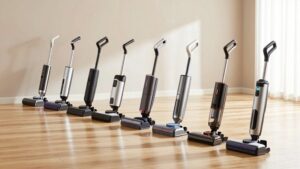
For quick crumb pickup, choose a lightweight cordless stick vacuum with strong suction and a cleaner head designed for hard floors. Make sure it handles both fine food dust and larger debris without blowing particles back into your kitchen.
A crevice tool helps you reach crumbs under appliances, along baseboards, and around countertops.
Quick Crumb Pickup
A stick vacuum or handheld makes the best quick-crumb tool for kitchens because you can grab it immediately for hard floors, tile, and entry mats. A compact model lets you respond before crumbs spread, while a full upright or canister remains better for deeper cleaning.
Compare suction ratings in Air Watts (AW), if fine particles settle into seams or textured surfaces. Choose a cleaner head that pairs strong suction with effective agitation, giving you flexibility when spills reach a rug or mat. A sealed, whole-machine filtration system helps keep captured micro-debris from returning to your kitchen air. If sticky spills are common, consider a wet-roller head for smears and stubborn residue.
For convenience, check one-touch emptying, washable filters, tool storage, charging access, and battery runtime. If crumbs are frequent, you’ll value a removable handheld mode, but confirm replacement battery and filter costs before buying to avoid surprises over the years.
Hard Floor Performance
Once you’ve chosen a quick-clean tool, focus on how well its cleaner head handles hard floors and fine kitchen crumbs. Prioritize strong suction and high Air Watts, but don’t stop at numbers. Look for a head engineered to lift embedded or electrostatically attracted dust; carbon-fiber elements can reduce static cling and improve pickup on tile, wood, or vinyl.
Test results should show consistent suction with minimal performance drop as the battery empties or bin fills, so crumbs don’t remain at the end of your pass.
Choose a low-profile, well-sealed machine with multi-stage or HEPA filtration to limit recirculated dust. If spills join debris, consider a model with a wet roller or wet-clean mode. Check that the floor setting protects finishes and that maintenance stays manageable.
Crevice Tool Access
When crumbs collect between stove burners, along baseboards, or around cabinet hinges, a dedicated crevice tool reaches where a standard floor head can’t. If you’re shopping for kitchen cleanup, prioritize a model that includes one. Choose a narrow, angled opening that slips into tight gaps, plus enough length to reach behind appliances where dust and food particles collect. Strong, consistent suction helps capture fine crumbs instead of scattering them.
Sealed dust separation and filtration can reduce re-dusting after pickup.
Check how the attachment stores. A tool mounted on the vacuum or docked in an accessible location makes quick cleanup easier while you’re cooking. That small convenience matters in practice when crumbs appear frequently and you need precise access without interrupting your routine.
Cordless Convenience
For quick kitchen crumbs, cordless convenience means you can grab the vacuum instantly without managing a cord. Choose a model with strong suction and a well-designed cleaner head that captures fine particles without repeated passes. If your kitchen has low-pile carpet or area rugs, select a cordless vacuum with a motorized agitator head to lift embedded dust.
Check its advertised battery runtime carefully. Manufacturers may measure it in low-power hard-floor mode, while using a motorized roller can shorten cleaning time substantially. Make sure the runtime covers your typical cleanup, and consider a spare or removable battery for larger areas.
If spills are common, look for a model that supports wet-roller cleaning, when appropriate. A cordless stick can easily reach counters and tight spaces, too.
Verify Attachments and Storage
Which attachments will you actually use? Match the package to your surfaces: choose a motorized or specialized head for carpet, a hard-floor head when needed, and a crevice tool for edges and tight gaps. Add a mattress tool if you’ll clean beds, and confirm a motorized pet tool or tangle-resistant brush roll for shedding.
For frequent stair cleaning, look for a detachable pod or canister, removable wand, or suitable stair tool, so you won’t carry heavy components unnecessarily. If dust or allergies concern you, verify that compatible brush-roll and HEPA-capable filtration parts come included, not just the main head.
Before buying, assign storage for accessories, cords, and hoses. Cordless models need dock space. If you’re adding a robot, reserve space for its dock and return path.
Track Filter Replacement Costs
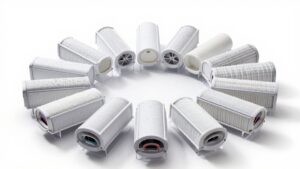
Filter costs can greatly affect your vacuum’s long-term price, so check whether it uses standard or HEPA filters and how often each requires replacement. Compare each model’s documented replacement interval; some manufacturers recommend new filters every three to six months, depending on usage and whether you clean carpets or hard floors.
Calculate the maintenance budget, including washable pre-motor foam or carbon filters and pricier HEPA replacements. Although you won’t buy replacements as often, clean or wash them regularly according to instructions. If you have pets or heavy dust, expect faster clogging, shorter intervals, and higher annual costs. For sealed or whole-machine filtration, confirm that you can replace the HEPA component yourself, and check whether its price is separate or bundled into a service pack.
Compare Noise Ratings Carefully
After estimating filter replacement costs, compare each vacuum’s noise rating in decibels (dB) as well. Check whether manufacturers measured models on normal power, because a “quiet” vacuum may sound much louder on carpet or maximum suction.
You’ll get a more useful comparison when testing conditions match.
- Compare noise with cleaning power: stronger suction and aggressive agitators can increase sound, so don’t choose the lowest dB number automatically.
- Prioritize frequent-use machines: an upright may clean carpets deeply but often sounds louder and proves inconvenient on stairs.
- Consider a quieter secondary option: a stick or handheld can make quick cleanups less disruptive.
Robots often sound quieter because they use smaller motors, but you should treat them as touch-up tools, not full-sized replacements for everyday deep cleaning.
Test Cleaner-Head Maneuverability
Before you buy, test how easily the cleaner head turns and swivels around furniture legs, baseboards, and other tight spaces without lifting the vacuum. Test it on carpet and hard floors. Check whether height or pile controls let you move over smoothly without snagging or losing pickup.
Use the “can it reach?” test: see whether the head stays flat under furniture, reaches corners, and cleans crevices without constant attachment changes. If you have stairs or narrow halls, favor a lighter, detachable head or pod that reduces arm strain while maintaining suction. When comparing models, prioritize:
- Strong suction plus a well-designed head protects pickup while you steer.
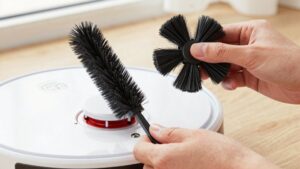
- Anti-tangle rollers limit hair buildup and interruptions.
- Illumination can reveal dust along edges and beneath furniture during every pass.
Conclusion
Choosing the right vacuum starts with your floors, cleaning challenges, and daily habits. Match the cleaner head, suction, filtration, runtime, noise, and attachments to how you actually clean.
Before buying, check filter costs, storage needs, and maneuverability around furniture and stairs. If possible, test the vacuum in your home or review the return policy. A thoughtful comparison helps you buy a machine that performs reliably and stays useful for years to come without expensive surprises.