Robot Mop Dock Water Tank Cleaning and Scale Prevention
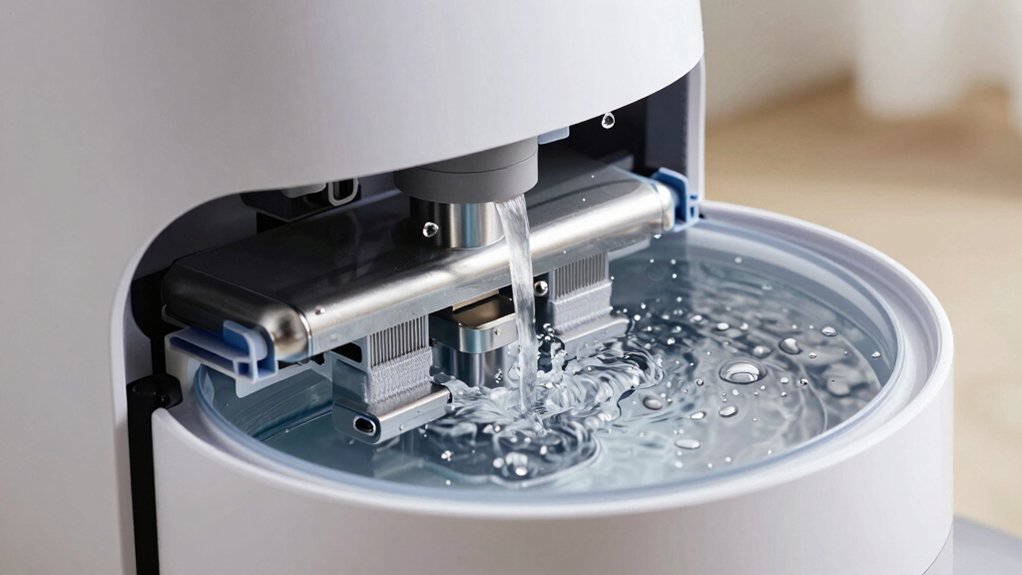
Before opening the dock, unplug it and lift tanks straight up to avoid dislodging parts. Empty and rinse the dirty-water tank until clear, wipe interiors, and dry before reinstalling.
Check the clean-water tank, inlet screens, seals, and vacuum bag; rinse deposits and reseat firmly. Inspect the scale-inhibitor bead for fouling or cracks; rinse gently and replace if damaged.
Empty after each use, deep-clean monthly, and follow simple bead care below to prevent odors and scale.
Quick Overview
- Empty and lift both dirty- and clean-water tanks straight out, inspect openings, and clear any drain holes or inlet screens.
- Rinse the dirty-water tank until water runs clear, scrub the interior as needed, and reinstall only after fully drying.
- Inspect the clean-water tank seals and inlet screens; rinse visible deposits and deep-clean only for buildup or scheduled maintenance.
- Remove, inspect, and gently rinse the scale-inhibitor bead assembly; replace if discolored, cracked, or fouled.
- Empty the dirty tank after each use. Wipe interiors weekly, deep-clean monthly, and run a vinegar rinse if odors or scale persist.
Quick Checklist: What to Check Before Opening Dock
Before you open the dock, do a quick visual checklist: remove and inspect both the dirty- and clean-water tanks. Make sure the drain hole and all openings are clear. Wipe any interior residue, confirm the scale-inhibitor bead assembly is intact and properly seated, and check the vacuum bag (if present) is fitted and note its installation date.
Next, perform a focused dock inspection: lift each tank straight out to avoid dislodging the bead assembly and set them on a clean surface. Visually scan all openings and the drain hole; use a soft tool to perform obstruction removal if you spot debris. Run a brief wipe of interior surfaces to remove film or residue that could foster scale.
Verify the scale-inhibitor beads sit flat and haven’t shifted; a displaced assembly can reduce effectiveness. Finally, confirm the vacuum bag is correctly positioned and log its install date. Reinstall tanks only after all checks pass.
Dirty-Water Tank Cleaning and Rinse Procedure
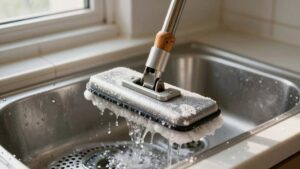
How should you handle the dirty-water tank after each use? You should empty, wash, and follow a simple rinse procedure to prevent odors and grime. Dump contents, scrub or wipe interior surfaces as needed, and rinse until water runs clear.
Regular cleaning stops dirt from settling at the bottom and keeps drainage holes and passages unobstructed. Reinstall the tank once dry to preserve airtight separation between clean and dirty reservoirs. Adjust cleaning frequency based on usage and odor concern.
| Step | Action | Purpose |
|---|---|---|
| 1 | Empty tank | Remove collected dirty water |
| 2 | Wash interior | Dislodge grime and residue |
| 3 | Rinse procedure | Clear particles from passages |
Use a soft cloth for wipe-downs and avoid harsh chemicals that can damage seals. Follow this method each use or more often if you notice smells. Consistent care maintains flow and avoids clogs.
Clean-Water Tank, Solution Refill and Vacuum-Bag Care
Want to keep your clean-water tank and solution system working reliably? Inspect the clean water tank regularly for residues or obstructions that could impede flow. Remove the tank, check inlet screens and seals, and rinse any visible deposits. Deep-clean only when you see buildup or during scheduled maintenance.
After cleaning, reinstall the tank firmly to restore the airtight separation between clean and dirty compartments. Misseating it can cause leaks or flow problems.
For solution refill, follow manufacturer ratios and pour slowly to avoid spills that can leave residues. Store cleaning solution in a labeled, sealed container and wipe the refill area after topping off. Check feed lines and valves for blockage during your visual inspection.
Vacuum-bag care: Remove and inspect bags on the same cadence. Empty or replace when capacity or filter loading indicates. Keep the bag area dry and free of debris to prevent contamination of the clean-water system. Routine, focused checks prevent most issues.
Scale-Inhibitor Bead Inspection, Removal and Replacement
After you’ve inspected the clean-water tank and feed lines, check the scale-inhibitor bead assembly at the bottom of the water system. It’s the small removable unit that prevents mineral buildup. You’ll remove the assembly to inspect for discoloration, fracture, or fouling. Handle it gently and note how it seats so you can reinstall it later.
Rinse the bead assembly under clean water to remove debris. Don’t use harsh chemicals that could degrade the material. If the bead looks damaged or heavily fouled and rinsing doesn’t restore it, proceed with bead replacement. Sourcing a replacement may require contacting the manufacturer or an authorized supplier since availability isn’t guaranteed.
When you fit the new or cleaned bead, snap it back into its mounting so it sits flush and unobstructed. After reinstalling, run a short fill-and-drain cycle to confirm proper seating and continued scale inhibitor function. Check it regularly as part of routine maintenance.
Maintenance Schedule, Odor Troubleshooting and Parts Guidance
Create and stick to a simple maintenance schedule so your mop dock stays odor-free and performs reliably: Empty the dirty-water tank after every use, wipe interiors weekly, and do a full deep clean of both tanks and internal channels monthly. While inspecting and servicing the scale-inhibitor bead, solution tank, vacuum bag area, drain holes, and any removable parts, do this during each cycle. Follow that schedule and log dates to spot trends.
For odor troubleshooting, check tank cleanliness first: Rinse or replace the dirty-water tank after use and correlate smell changes with the time since the last deep clean. Inspect and reseat or replace the scale inhibitor bead if you see mineral films. Remove the solution tank and vacuum bag to clear debris; replace bags when full and mark install dates for tracking.
Clear drain holes and internal channels by wiping and flushing; use a soft brush if needed. If odors persist after cleaning, run a vinegar rinse cycle, air-dry components fully, and repeat the monthly deep clean sooner.
Frequently Asked Questions
Can I Use Vinegar in the Clean-Water Tank for Descaling?
You shouldn’t use vinegar in the clean-water tank for descaling unless the manual explicitly allows it. This is because vinegar can issue compatibility with seals, sensors, and coatings. Check manufacturer guidance first.
If they permit vinegar, dilute it and run a controlled cycle. Then thoroughly flush the tank with fresh water. For ongoing user maintenance, use recommended descalers or filtered water to prevent scale and avoid voiding warranties.
How Often Should I Replace Hoses or Seals?
You should replace hoses and seals every 1–2 years as a general replacement intervals guideline. You should replace them sooner if you notice leaks, stiffness, or discoloration. Inspect them quarterly and plan seal replacement at the first sign of wear or after heavy use seasons.
Keep spares on hand, clean connections during checks, and tighten fittings. If you detect persistent leaks or reduced flow, replace affected hoses and seals immediately to avoid bigger damage.
Will Using Soft Water Affect Cleaning Performance?
Yes, soft water usually improves cleaning efficiency. You’ll get fewer mineral spots, less scale buildup in tanks and hoses, and your mop pads rinse cleaner. That means less frequent descaling and better long-term performance.
Use water softening or a filter if your supply is hard; monitor residues and replace filters per manufacturer guidance. Soft water can also reduce detergent needs. Adjust soap amounts to avoid over-sudsing.
Can I Run the Dock Without the Scale-Inhibitor Beads?
You can run the dock without the scale-inhibitor beads, but you’ll increase the need for dock maintenance and active scale prevention. Expect more frequent descaling, mineral buildup in the tank and lines, and possible clogging of pumps.
If you skip beads, flush and descale the system on a set schedule. Use soft or filtered water when you can, and inspect seals and nozzles regularly to avoid performance loss.
Are There Smartphone Alerts for Tank or Odor Issues?
Yes, you’ll get smartphone alerts for tank or odor issues. The app notifies you when water levels are low, filters need checking, or sensors detect unusual smells. You’ll see clear alerts and recommended actions: empty, clean, or replace beads.
Follow the step-by-step prompts to resolve problems quickly. Enable push notifications and keep the app updated so you don’t miss any odor issues or maintenance reminders that protect performance and hygiene.
Conclusion
You’ve now got a simple, repeatable routine to keep your robot mop dock sanitary and functioning. Before you open the dock, check seals and power; empty and rinse the dirty-water tank after every cycle. Refilling the clean-water tank and replacing solution as directed is essential. Inspect and swap scale-inhibitor beads when they look discolored; keep vacuum bags and filters maintained.
Stick to the schedule, address odors promptly, and replace worn parts to prevent buildup and preserve performance.
You may also like: Mop Cleaning Solution Dilution Guide — a related guide worth bookmarking.