Vinyl Plank Floor Cleaning With Robot Mops
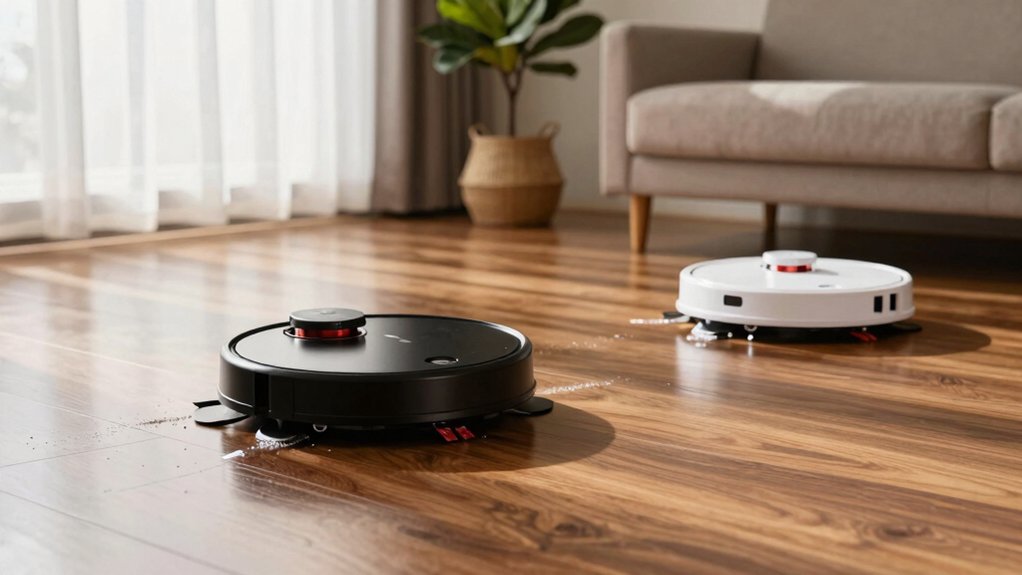
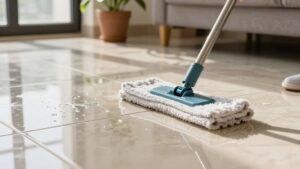
You can safely use a robot mop on vinyl plank floors if you pick the right settings and prep first. Vacuum or sweep to remove grit. Use a low‑moisture or gentle mode, and attach soft microfiber pads that stay damp, not dripping.
Use a mild, vinyl‑safe cleaner or warm water with a little dish soap; avoid bleach or ammonia. Restrict areas where seams or baseboards might trap water. Keep pads clean and you’ll prevent streaks and damage. Keep going to learn specifics.
Quick Overview
- Vacuum or sweep first to remove grit and prevent scratches before robot mopping.
- Use a damp (not soaking) microfiber pad with controlled water flow for vinyl plank safety.
- Choose low-moisture or gentle mopping mode and a vinyl-safe mild cleaner (or water + mild soap).
- Set no-go zones near seams, baseboards, or areas prone to puddling to prevent warping.
- Clean robot brushes, wheels, and pads regularly to avoid streaks, grit marks, and repeated passes.
Do Robot Mops Work on Vinyl Plank Floors? Quick Answer
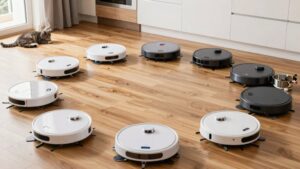
Wondering if a robot mop will work on your vinyl plank floors? Quick answer: yes, robot mops can work well if you choose the right features and settings. You’ll want models that use damp mopping pads and controlled water dispersion rather than soaking pads to avoid water damage.
Pick units with soft brushes to prevent scratching the surface. Before mopping, vacuum to remove grit so the mop won’t drag particles across the finish. Use a low-moisture setting and a gentle, vinyl-safe cleaner: plain water with a bit of mild soap works. Steer clear of wax-based or ammonia-heavy products that can harm the planks.
Maintain the device by regularly cleaning pads, brushes, and sensors to prevent debris transfer that could dull or scratch your LVP. With proper selection and upkeep, robot mops provide convenient, effective maintenance without compromising your vinyl plank floors.
Prep Your Vinyl Plank Floor Before Mopping (Quick Checklist)
How should you prep your vinyl plank floor before running a robot mop? Start by vacuuming or sweeping to remove dusting debris and grit that can scratch the surface. Check corners and under furniture for trapped particles. Remove obstacles so the robot can cover the area evenly.
Inspect seams and edges. Avoid excess moisture near joints and apply seam protection by ensuring mop pads are only damp, not soaked.
Mix a mild cleaning solution: warm water with a few drops of dish soap. Don’t use bleach, ammonia, or wax-based cleaners. Attach a damp mop pad and work in small sections, following the plank grain direction to reduce streaks. After the robot finishes each section, dry the floor promptly with a microfiber cloth or towel to prevent moisture damage and warping.
Finally, let the floor fully air-dry before replacing rugs or heavy furniture for best long-term results.
Choose the Right Robot Mop Settings and Cleaning Pads for LVP
Now that the floor’s prepped and dry, focus on the robot’s settings and pads to protect your LVP. Start with a dry vacuum pass to remove grit that would abrade the surface during mopping. For gadget setup, choose a low or gentle mopping mode and reduce water flow so seams and edges don’t soak. Use no-go zones or restricted areas on the map to keep the robot away from baseboards and vulnerable seams.
Select damp, not dripping, pads to prevent excess moisture from seeping into joints. Pick soft microfiber pads made for vinyl; they minimize scratching and deliver a streak-free finish. Change or rinse pads frequently when they pick up grit. Test a small inconspicuous area after adjusting settings and pad choice. Then run a monitored cycle. These precise steps in floor care and gadget setup preserve your LVP’s finish while keeping cleaning efficient and safe.
Daily and Monthly Care to Prevent Scratches and Residue on Vinyl Plank Floors
Want to keep your vinyl plank floors looking like new with minimal effort? You’ll prevent scratches and residue by combining daily maintenance with simple monthly upkeep. Each day, remove grit and pet hair before mopping so particles don’t abrade the surface.
- Sweep or vacuum daily maintenance: Use a soft-bristle broom or vacuum without a beater bar to pick up grit and pet fuzz that can turn into abrasives.
- Mop correctly: Use a damp microfiber pad and a mild cleaning solution. Don’t flood the floor; excess water can seep into seams and cause warping.
- Robot care monthly upkeep: Clean the robot’s brushes, wheels, and dustbin to stop transferred debris from scratching or leaving residue. Also, set your robot to low/gentle suction and soft pads to minimize friction.
Follow these steps consistently, and you’ll reduce mechanical wear and sticky buildup. This will keep your vinyl plank floors durable and spotless with minimal intervention.
Troubleshooting: Common Robot-Mop Problems on LVP and Fixes
Troubleshooting robot-mop issues on luxury vinyl plank (LVP) is mostly about tracing causes to straightforward fixes. You can solve the common ones quickly. If you see streaks, troubleshooting starts with moisture control: make sure the pad is damp, not wet, and lower water dispersion in the app. Do a pre clean startup; clear debris, check brushes and wheels so grit won’t scratch or streak.
Avoid harsh cleaners; use a mild pH-neutral solution. If you notice pooling near seams, pause and dry the area to prevent warping. For repeated passes or missed areas, recalibrate mapping and set no-go zones. Regularly inspect pads for wear and replace them on schedule.
| Problem | Likely Cause | Quick Fix |
|---|---|---|
| Streaks | Too wet pad/dirty pad | Reduce water, replace/clean pad |
| Grit marks | Debris in brushes/wheels | Pre clean startup, clean components |
| Warping | Puddles at seams | Dry area, avoid puddles |
| Repeats | Mapping/navigation error | Recalibrate, set no-go zones |
Frequently Asked Questions
Can Robot Mops Handle Pet Urine on Vinyl Plank Floors?
Yes, robot mops can help, but they’re not a complete solution. You’ll need to pre-treat fresh pet urine to protect pet safety and prevent stains. Most robots dilute and spread residues; so, blot first and use an enzymatic cleaner for odor removal.
Run the robot afterward with a recommended cleaning solution. Avoid excessive water on vinyl plank seams. Inspect, repeat if needed, and air-dry thoroughly to safeguard flooring and pets.
Will Robot Mops Remove Adhesive Residue or Paint Spots?
No, robot mops won’t reliably remove adhesive residue or paint spots by themselves. You’ll need to pre-treat stubborn areas: gently scrape off excess with a plastic scraper; apply a manufacturer-safe adhesive remover or rubbing alcohol for residue; and use a mild solvent or paint remover for spots (testing first).
After treatment, run the robot mop to pick up loosened debris and residue. Routine maintenance prevents buildup and protects vinyl planks.
Are Robot Mops Safe for Textured or Embossed Vinyl Planks?
Yes, you can use robot mops on textured safety and embossed care vinyl, but you’ll want to be cautious. You should choose models with gentle, adjustable suction and soft pads that follow embossed patterns without grinding.
Test a hidden spot first; avoid harsh chemicals, and don’t let excess water pool since textured surfaces hold moisture. With proper settings and routine spot checks, your textured, embossed vinyl will stay clean and undamaged.
How Often Should Robot Mop Pads Be Replaced or Deep-Cleaned?
You should replace disposable pads after each heavy use, and deep-clean reusable pads weekly. For daily light mopping, change them every 2–3 days. How often you swap depends on traffic and soil; high-traffic areas need more frequent swaps.
Deep cleaning cadence: launder reusable pads after 3–5 uses with hot water and mild detergent. Inspect pads for wear, and replace any that lose absorbency or show fraying to maintain cleaning performance.
Can Robot Mops Be Used With Floor Polish or Shine Enhancers?
Yes, but cautiously. You can use robot mops to apply polish or shine enhancers; however, whether robot mops can polish floors depends on the product and machine. Check manufacturer guidance for shine enhancers compatibility. Avoid oil-based or wax formulas that can clog pads and sensors.
Use diluted, manufacturer-approved solutions and test a small area first. Run a follow-up clean cycle. Replace pads more often when using polishes to prevent buildup.
Conclusion
Yes, robot mops can clean vinyl plank floors effectively if you set them up right. Before mopping, sweep or vacuum to remove grit. Choose the gentle cleaning mode and a microfiber pad, and use a pH-neutral cleaner sparingly.
Wipe up standing water, check pads often, and protect high-traffic areas with felt pads or mats. With routine daily spot care and monthly deeper maintenance, your LVP will stay scratch-free and look like new.
Related reading: Low Foam Floor Cleaners covers this topic in detail.