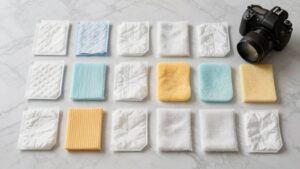
Spin Mop Vs Flat Mop Differences
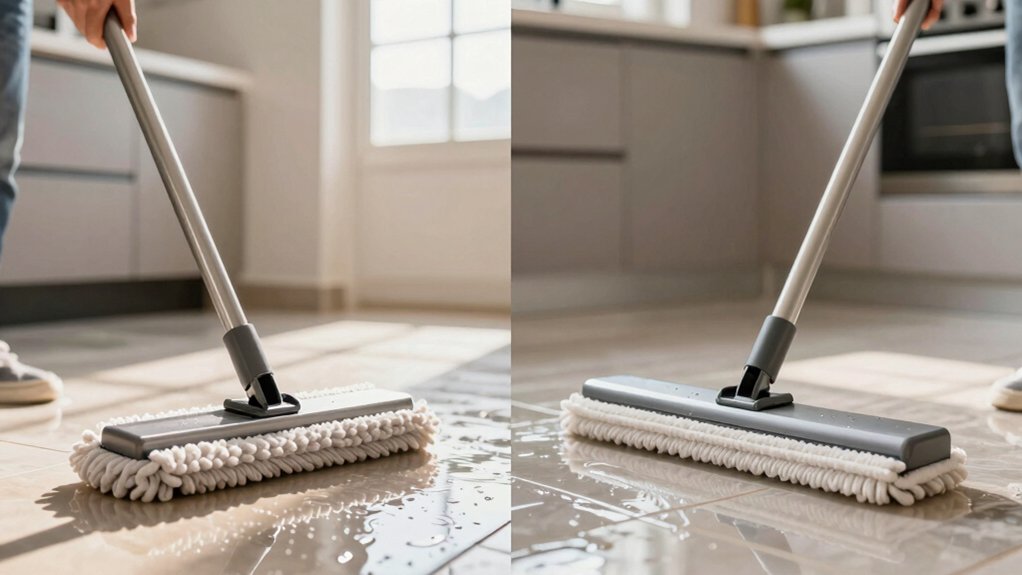
You’ll pick a flat mop when you want fast, low-moisture routine cleaning: its wide rectangular microfiber pad covers ground quickly, dries floors faster, and has few parts to break.
Choose a spin mop if you need stronger soil removal and moisture control: the round head plus bucket wringer lets you scrub and limit water on the floor, and dual-water setups cut cross-contamination.
Both need washable heads; keep going to see specific pros, cons, and buying tips.
Quick Overview
- Flat mops use a large rectangular microfiber pad for fast, wide coverage and routine surface maintenance.
- Spin mops use a round head plus a bucket wringer to control moisture and enable deeper scrubbing.
- Spin mop systems often separate clean and dirty water; this reduces cross-contamination versus flat mop technique.
- Flat mops dry floors faster and have fewer moving parts, making them simpler and more durable long-term.
- Choose flat for quick, light cleaning. Choose spin for heavy soil, spills, and intensive floor scrubbing.
Quick Verdict: Flat Mop vs Spin Mop
While both mops clean floors, you’ll want a flat mop for routine maintenance and a spin mop for deeper scrubbing. You’ll choose a flat mop when you need fast coverage on smooth surfaces: its large rectangular head and microfiber pads capture dirt quickly. The pads are easy to replace, and the upfront cost is typically lower.
Use a spin mop when you’re facing heavy soil or grout. The wringing bucket gives controlled moisture and keeps dirty water separate; this allows you to scrub more effectively. Expect higher upkeep with a spin mop; heads usually need replacement around every 36 months, and the bucket/wringer adds complexity.
For most regular upkeep in homes or offices, the flat mop wins for speed and economy. For periodic intensive cleaning of large, heavily soiled areas, go with the spin mop. In short, use a flat mop for routine maintenance and a spin mop for deep cleaning: match the tool to the task.
How Flat Mops and Spin Mops Work : And Why It Matters
Ever wondered why one mop feels faster while the other seems better at scrubbing? You’ll notice flat mops use a broad rectangular head with microfiber pads that absorb and trap surface dirt, letting you cover large areas quickly on smooth floors. Spin mops pair a round microfiber head with a bucket-based spin wringer that controls moisture and forces out dirty water. This allows you to achieve deeper cleaning without drowning the floor.
Function affects upkeep and performance. Flat mop pads are easy to replace and machine-wash, which helps long-term durability of the cleaning surface. The system’s simplicity means fewer mechanical failures. Spin mops require care for the wringer mechanism and periodic head replacement, adding maintenance tasks but offering consistent moisture control.
When you compare them head to head, pick flat for fast, wide coverage and simple maintenance. Pick spin when you need controlled moisture and stronger soil removal despite extra upkeep.
Head-to-Head: Moisture, Dirt Separation, and Floor Compatibility
Curious which mop keeps your floors drier and cleaner? Spin mops win on moisture control: their wringing mechanism and two-bin setup keep dirty water separate from clean. This setup allows you to control how wet the head is and avoid cross-contamination. That makes them better for large areas and for surfaces sensitive to excess water.
Flat mops give quicker, lighter drying because microfiber pads absorb and release less moisture when properly wrung. However, they rely on your technique; over-saturated pads can leave water residue. For dirt separation, spin systems actively remove grit into the dirty bin and use durable microfiber for deeper pickup. In contrast, flat pads emphasize broad absorption and fast debris pickup on smooth floors.
Choose spin mops if you need stronger dirt separation and controlled moistening over bigger spaces. Choose flat mops for fast maintenance on sealed, smooth surfaces where rapid drying and maneuverability matter more.
Maintenance, Durability, and Ongoing Costs
Now that you’ve weighed moisture control and cleaning performance, consider upkeep and long-term costs. You’ll find flat mops favor simplicity: machine-washable microfiber pads cut replacement costs because you can refresh them through repeated washes. Their straightforward construction means fewer moving parts and lower breakage risk. Therefore, durability tradeoffs tend to favor flat systems for steady, economical use.
Spin mops give better water separation and wringing but introduce more components that need care. You’ll have to clean the bucket and wringer regularly. Additionally, you must accept that mop heads typically need replacement about every 36 months. That raises ongoing maintenance and eventual replacement costs compared with a well-kept flat mop.
In both cases, you should wash heads or pads after each session and store them dry to prevent mildew. Choose based on whether you prioritize lower upkeep and parts simplicity (flat) or enhanced moisture control at the expense of added maintenance and periodic part replacement (spin).
Best Use Cases: When to Choose a Flat Mop or a Spin Mop
When should you pick a flat mop over a spin mop? Pick a flat mop when you need fast, routine maintenance on smooth floors: tile, hardwood, or laminate. Its broad rectangular head and microfiber pad capture dust and light grime quickly. You’ll cover classrooms, offices, or hallways efficiently with minimal effort.
Choose a spin mop when you’re facing heavy-duty dirt, spills, or stubborn stains. The wringer bucket keeps dirty and clean water separate, and the spin mechanism controls moisture. This allows you to deep-clean effectively without over-wetting surfaces. For large, high-traffic areas that need intensive cleaning, a spin mop handles tough jobs better.
In short: use a flat mop for regular touch-ups and speedy coverage. Use a spin mop for intensive, moisture-controlled deep cleaning. Match the tool to frequency and soil level: routine upkeep favors flat mop, heavy soil and stain removal favor spin mop.
Buying Checklist: What to Look For (and Common Pitfalls)
After choosing between a flat or spin mop based on cleaning frequency and soil level, you’ll want a buying checklist that focuses on performance and long-term value. Start with moisture control: choose a mop that lets you adjust dampness or has an effective wringer so floors dry fast and you avoid residue.
Check pad durability; machine-washable microfiber pads save money and clean better over time. Match head size to your space: wide heads cover large, open areas quickly; smaller or swivel heads reach tight spots.
Include a two-bucket or separate clean/dirty-water system to cut cross-contamination. Inspect handles and connections: telescoping, sturdy handles reduce fatigue and won’t bend.
Confirm heads are readily replaceable; non-replaceable parts are a common pitfalls item that spikes lifetime costs. Finally, test the wringer on spin models for sturdiness and prefer brands with available replacement parts and clear warranty terms.
This buying checklist keeps performance high and ongoing costs low.
Frequently Asked Questions
Can Either Mop Be Used on Hardwood Unfinished Floors?
You shouldn’t use either mop on unfinished hardwood; they’ll saturate and damage the wood. Instead, you’ll do well with minimal water, dry methods, or a barely damp microfiber pad made for hardwood.
Finish considerations: Spot-clean spills quickly and always wear. Check durability of pads to avoid abrasive wear. Test any product in an inconspicuous area first. If you must mop, wring thoroughly and follow up with immediate drying to protect the surface.
Do Spin Mop Buckets Fit Under Low Kitchen Cabinets?
Yes, many spin mop buckets are too tall to fit under low kitchen cabinets. Though compact models exist, you’ll usually find flat mop systems slimmer and easier to slide under low cabinets.
If you’ve got tight clearance, measure cabinet height and compare to bucket dimensions. Opt for a low-profile spin mop bucket or a flat mop with a narrow head. Practical testing saves time and avoids returns.
Are Replacement Heads Compatible Across Brands?
Usually yes, but you’ll want to check fit and attachment style first. Replacement compatibility varies: some brands use universal clips or threaded mounts that enable brand interoperability; while others use proprietary connectors.
Measure shaft diameter, plate shape, and clip type, and compare to the replacement specs. Read user reviews and product Q&A for real-world fit. If in doubt, buy from the original brand or a seller that guarantees cross-brand returns.
Can Either Mop Clean Upholstery or Car Interiors?
Yes, you can use either for upholstery care and car interior cleaning, but with limits. You’ll want soft, low-moisture microfiber heads to avoid saturation and water stains.
Spin mops can wring more water; this is useful for stubborn spots. Flat mops give better control in tight spaces. Test a hidden area first, use gentle cleaners, and avoid harsh scrubbing to protect fabric and trim for safe, effective results.
How Eco-Friendly Are Reusable Pads Versus Disposable Heads?
Reusable pads are more eco friendly pads than disposable heads because you cut waste and repeatedly use washable materials. You’ll save landfill space, reduce packaging, and lower long-term cost; however, laundering uses water and energy.
Disposable heads offer convenience and hygiene for some tasks but create continuous plastic and fiber waste. Practically, choose reusable pads for routine cleaning. Switch to disposables only when you need single-use contamination control.
Conclusion
Quick Verdict: Pick a flat mop if you want fast, low-moisture cleaning on finished hardwood, tile, or laminate. It is lighter, easier to maneuver, and uses less water. Go with a spin mop if you need stronger dirt pickup on grout or stone, adjustable moisture, and an easier wring without touching the head.
Consider floor type, storage, replacement-pad cost, and build quality. Match the mop to your surfaces and cleaning habits for best results.