How to Remove Pet Stains From Carpet Step by Step
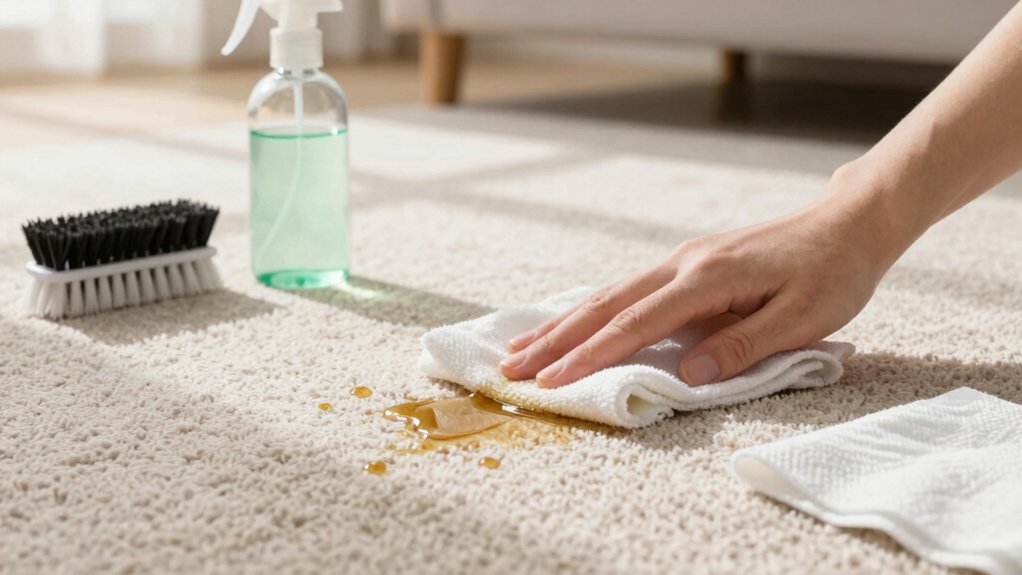
You can remove fresh or set-in pet stains by first applying an enzyme cleaner to cover all moisture. Let it sit five minutes, then extract or blot without scrubbing. For set-in urine, repeat enzyme applications, agitate the pile, and extract each time.
For colored stains, apply a color-safe hydrogen peroxide solution. Mist a little ammonia, cover with plastic, and heat for about 30 minutes. Then blot. Follow with targeted repeats or a pro if odor persists. Keep going to learn full steps.
Quick Overview
- Apply an enzyme cleaner to fully cover the moist stain and let it dwell for five minutes without scrubbing.
- Extract the enzyme solution and dissolved soil with a wet/dry vacuum or blot with a clean white towel until damp.
- For set-in stains, repeat enzyme application twice more; agitating the pile before extraction each time.
- For color stains, apply a color-safe hydrogen peroxide oxidizer, mist with ammonia (3:1 peroxide:ammonia), cover, and heat for approximately 30 minutes.
- After treatment, blot until dry. Repeat targeted steps if odor or discoloration remains. Call a pro if issues persist.
Remove Fresh Pet Stains: Apply Enzyme Cleaner and Extract
Wondering how to stop a fresh pet stain from setting? You act fast: spray an enzyme cleaner over the affected area, covering all visible moisture. Stain timing matters; enzymes work best immediately. Allow a short dwell of about five minutes for enzyme effectiveness to break down urea, odor molecules, and other organic components. Don’t scrub yet; agitation for set-in stains is a later step.
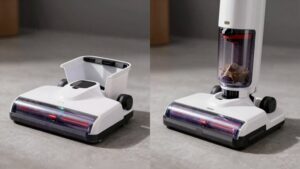
After the dwell, extract the solution and dissolved soil. Use a wet/dry vacuum or carpet spot extractor for best results. If those aren’t available, blot with a clean white towel until the carpet is only damp.
Repeat the enzyme application and extraction once more to ensure thorough breakdown of urine salts, creatine, bacteria, and dyes. This second round increases removal before any Step 2 treatments. You’ll leave the carpet cleaner, odor reduced, and prepared for follow-up cleaning if needed.
Loosen Fibers: Agitate and Repeat Enzyme Cleaning for Set‑In Urine
If the stain’s been sitting, you’ll need to loosen the carpet fibers so the enzymes can reach trapped urine components. Start by repeating Step 1 two more times and then agitate the pile to dislodge set-in material. Apply enzyme cleaner, let it dwell for 5 minutes, then extract with a wet/dry vacuum, spot extractor, or white towel. Re-apply enzyme cleaner and extract again to reinforce removal of salts, creatine, bacteria, and organic compounds.
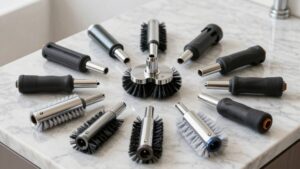
If a third round is needed, agitate fibers to access trapped material. Use a drill brush for stubborn areas or an old toothbrush or spoon for gentler work. Work the pile toward the stain, not outward, to avoid spreading residue. After agitation, allow dwell time as directed, then extract thoroughly.
Repeat cleaning until odor and residue tests negative. Finish by blotting excess moisture and allowing complete air drying. This methodically flushes and breaks down urine so enzymes can neutralize odors and organic matter.
Remove Set‑In Color Stains: Treat With Hydrogen Peroxide + Ammonia
How do you tackle stubborn dye and pigment left after enzyme cleaning? Use a targeted color-safe oxidizer with a small amount of ammonia. Mix salon-grade hydrogen peroxide (20-volume) and ammonia about 3:1; keep the ammonia separate until ready to spray so the reaction doesn’t start prematurely. Liberally apply the hydrogen peroxide to the set in color. Then mist the ammonia over the same area to activate the blend.
Containment helps. Cover the treated spot with plastic wrap and set a hot tap water-filled container on top for roughly 30 minutes to boost action. Remove the cover, then blot gently with a white towel to judge progress. Repeat if pigment persists. Rinsing isn’t required: ammonia will evaporate and peroxide breaks down over time, leaving less residual chemistry in the fiber.
This step targets dyes and pigments that enzyme cleaning couldn’t remove. Use it judiciously on colorfast carpets and always test an inconspicuous area first to confirm no adverse fading.
Cover, Heat, and Blot: Safe Post‑Treatment Steps
Want faster, deeper lift from your spot treatment? After you apply the hydrogen peroxide and ammonia solution, cover the treated area with plastic wrap to trap moisture and keep the chemicals working. Then use cover heat to encourage dye and pigment release: set a pot of hot tap water on the plastic for 30 minutes. Do not let it sit directly on carpet.
Follow this concise blot guide to finish:
- Remove the pot and plastic. Then press a clean white towel onto the spot to blot, lifting loosened pigments and excess solution.
- Repeat blotting with fresh towel sections until you see no more transfer and the towel stays mostly dry.
- Monitor the area for lingering odor or yellowing. If it persists, repeat targeted treatment per the stain guide.
Rinse only if necessary. Ammonia will evaporate and peroxide breaks down, so minimal rinsing prevents reactivating residues. Blot dry thoroughly to restore pile and prevent re-soiling.
Rinse, Neutralize, or Repeat: How to Know What to Do Next
When should you rinse, neutralize, or repeat steps? Use a rinse decision based on visible residue and blot test results: After two enzyme cleaner applications, you should flush and blot. If the towel still shows color or moisture, repeat the enzyme rinse a third time and agitate fibers with a drill brush, toothbrush, or spoon to lift set-in material.
After hydrogen peroxide plus ammonia treatment (applied separately, covered with plastic and hot water), you don’t always need a full rinse. Ammonia evaporates and peroxide breaks down; thus, blot with a white towel to assess progress. For odor guidance, if urine smell persists after blotting, repeat the appropriate step rather than rinsing immediately. Enzymes target organic odor while the peroxide/ammonia step targets stain chromophores.
Only rinse when residue, chemical, or loosened soil remains. If odors or color refuse to improve after methodical repetition, consult the stain library or stain guide for specialized options before calling a pro.
Remove Lingering Urine Odor and When to Call a Pro
Still noticing urine odor after the carpet looks clean? You’re likely dealing with odor causing molecules that sank into fibers and padding. Start with targeted repeats: enzymatic cleaners often need 2–3 applications to break down organic residues. If that fails, move to the pH step: a hydrogen peroxide/ammonia mix raises pH and helps lift set-in compounds. Cover with plastic and add gentle heat to drive treatment deeper.
- Repeat enzymatic cleaning 2–3 times, blot thoroughly between applications.
- Apply the peroxide/ammonia step, cover with plastic, and warm the area to penetrate padding.
If odor persists, consider bacteria/salt residues that need extraction with professional grade treatments.
Call a pro when strong odor remains after multiple DIY attempts. Also, call if stains are extensive or old, or if urine reached underlayment/subfloor. Professionals have specialized equipment and access to commercial agents and structural solutions that home methods can’t match.
Prevent Future Pet Stains and Maintain Treated Carpet
Once you’ve removed the stain and treated odors, protect your work by responding quickly to any new accidents and letting treatments finish their work. For stain prevention, clean fresh deposits immediately: blot, apply Step 1/Step 2, dwell, agitate, then extract.
Don’t shortcut dwell time; avoid heavy traffic over treated areas for at least 24 hours so enzymes and cleaners fully work.
Adopt a regular carpet maintenance routine: vacuum high-traffic zones daily or several times weekly and inspect for faint urine spots before they bond to fibers. If odors persist, use the dedicated odor-control step and consult the odor removal video referenced earlier for effective methods.
Store cleaning supplies properly and keep them accessible so you can reapply treatments when needed. Document what works for each pet and carpet type.
If stains recur despite prompt action and maintenance, consider professional help. Consistent response and upkeep will minimize repeat incidents and preserve treated carpet longevity.
Frequently Asked Questions
Can Enzyme Cleaners Damage Carpet Fibers or Dyes?
Yes, enzyme cleaners can damage some carpets if misused. You should check enzyme safety and dye compatibility before applying. Test a hidden spot, dilute per instructions, and avoid prolonged saturation.
Enzymes target organic matter, not fibers. However, harsh additives or repeated use can affect delicate fibers and unstable dyes. When in doubt, consult the carpet manufacturer or choose a cleaner labeled safe for your fiber and dye type.
Are These Methods Safe for Wool or Natural-Fiber Carpets?
Yes, with caution. You’ll prioritize enzyme safety and wool compatibility by testing a hidden spot first and using pH-neutral, wool-safe enzyme formulas. You’ll dilute products per instructions, blot rather than rub, and avoid prolonged saturation to protect fibers and dyes.
For delicate natural fibers, you’ll opt for specialized wool cleaners or consult a pro if stains are old or extensive. Always rinse lightly and air-dry thoroughly.
How Do I Remove Pet Stains From Carpeted Stairs?
You’ll tackle pet stains on carpeted stairs by acting quickly, blotting excess moisture, and using a gentle cleaner suited for stair carpet care.
Mix a mild enzymatic pet stain removal solution; apply sparingly, scrub with a soft brush along the nap, then blot dry. Rinse lightly with water, blot again, and air-dry. Repeat if needed.
Test any cleaner on an inconspicuous spot first to protect fibers.
Can I Use Household Vinegar Instead of Enzyme Cleaner?
You can use household vinegar for fresh stains, but it won’t fully replace enzyme cleaners. Vinegar neutralizes odors and lifts surface residue. However, enzyme cleaners break down proteins in urine; they remove stains and scent at the source.
Enzyme cleaners vs vinegar: choose vinegar for quick, budget cleaning; pick enzyme cleaners for stubborn or set-in pet odors. For best results, treat with vinegar first. Then, follow with an enzyme product.
Will Pet Urine Stains Void My Carpet Warranty?
Yes, pet urine stains can void your carpet warranty if the warranty excludes pet damage or requires prompt stain removal and odor control. You should check terms carefully: many warranties demand documented stain removal and use of approved products to prevent pet odor and irreversible damage.
If you follow their procedures, act quickly, and keep records, you’ll protect coverage. Otherwise, neglected stains often become grounds for denial.
Conclusion
You’ve got a clear plan: treat fresh spots fast with an enzyme cleaner and extract, agitate set-in urine and reapply enzymes. Tackle color with a peroxide + ammonia mix carefully; then cover, warm, and blot to lift residues. Rinse or neutralize as needed. Repeat stubborn areas and call a pro for deep pad or persistent odor.
Keep carpet protected with training, prompt cleanup, and regular maintenance to prevent repeat accidents.