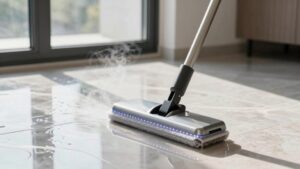
Is Steam Cleaning Safe for Sealed Hardwood Floors
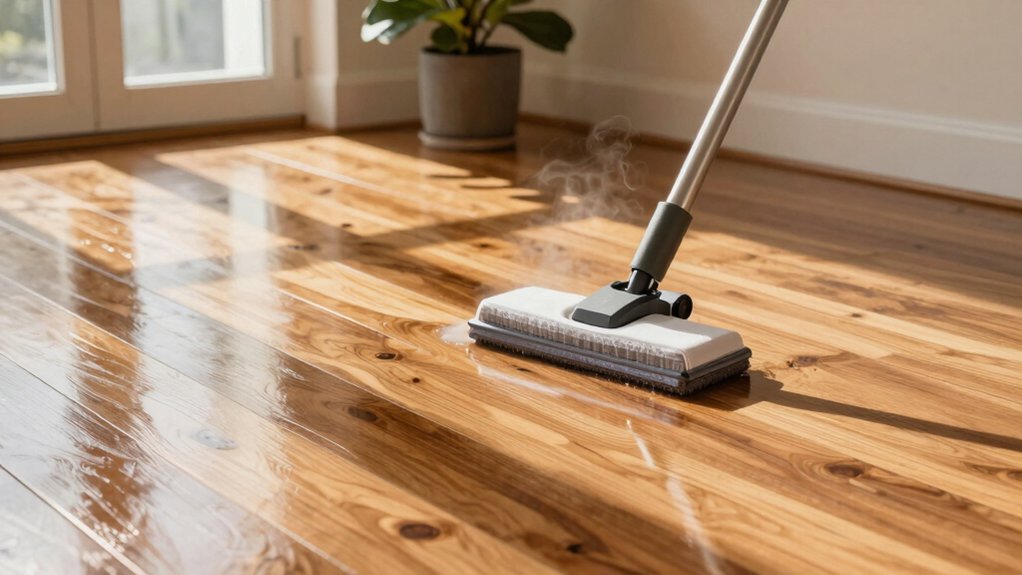
You can steam-clean sealed hardwood, but only cautiously: use the lowest steam setting, a thick microfiber pad, and keep the mop moving so steam doesn’t linger.
Vacuum first to remove grit; confirm the finish is intact (polyurethane, aluminum oxide or acrylic), and test a small hidden area for 24–48 hours for any reaction. Wipe up any pooling immediately and avoid newly waxed floors until cured.
Follow simple precautions and you’ll reduce risk. Keep going to learn the exact test and step-by-step routine.
Quick Overview
- Steam can be used on sealed hardwood, but it carries moisture risk to the finish and underlying wood.
- Use the lowest steam setting; keep the mop moving; avoid hovering to minimize moisture exposure.
- Confirm the finish is intact (polyurethane, aluminum oxide, or acrylic) before steam cleaning.
- Test a small inconspicuous area and observe for 24 to 48 hours for any finish or warping issues.
- If seals are worn or moisture pools, opt for a damp microfiber mop or pH-neutral cleaner instead.
Can I Steam‑Clean Sealed Hardwood?
Wondering whether you can steam-clean sealed hardwood? You can, but you’ll want to be cautious because steam risks are real. Many sources say steam mops work on sealed floors; yet experts warn that moisture can still intrude beneath the seal. Use the lowest steam setting, keep the mop moving, and never linger in one spot to protect finish integrity.
Prepare first: Vacuum to remove grit, fit a thick microfiber pad to the rectangular steam tool, and confirm the floor’s seal is intact. Don’t steam right after waxing; wait until the wax has fully cured. If you notice any pooling, wipe it immediately with a dry microfiber cloth.
When moisture risk seems high or you prefer extra safety, choose a damp microfiber mop or a pH-neutral wood cleaner instead of full-floor steam cleaning. These alternatives reduce exposure while still keeping the floor clean and preserving the finish.
How Steam, Heat, and Sealers Affect Hardwood
How do steam, heat, and sealers interact with hardwood? You should know that steam cleaning uses high-temperature water to loosen dirt. Heat plus moisture can exploit weak points in wood finishing. A sound polyurethane, aluminum oxide, or acrylic seal forms a barrier that generally prevents moisture penetration; so steam safety improves when the finish is intact and you use a low steam setting with continuous movement.
Still, repeated or excessive steam exposure concentrates heat and can lift or degrade sealer layers, especially where finishes are nicked or worn. Moisture can seep into joints if the seal is compromised, causing cupping or warping over time. To minimize risk, keep the steamer moving, avoid hovering, follow manufacturer guidance for your specific hardwood, and use microfiber pads to absorb and promptly wipe residual moisture. These practices protect the finish and underpin responsible steam safety while acknowledging limits of any wood finishing system.
How to Test If Your Floor Is Safe for Steam
Ready to confirm whether your sealed hardwood can handle steam? Start by verifying the finish: ensure it’s sealed with polyurethane, aluminum oxide, or acrylic. This is the baseline for safe testing hardwood.
Choose the lowest steam setting and keep the mop moving continuously to minimize heat pooling and potential water exposure. Pick a small, inconspicuous area—behind a cabinet or in a closet—and run the steamer over it briefly, no hovering.
Monitor that spot closely for 24–48 hours for color change, warping, or lingering dampness. If you see any excess moisture during the test, immediately blot with a dry microfiber cloth to prevent absorption.
If the finish shows no adverse effects after 48 hours, you can cautiously continue with steam cleaning while following manufacturer guidelines and avoiding prolonged contact in one spot. If you notice damage, stop and revert to dry or low-moisture cleaning methods.
Safe Steam‑Cleaning: Step‑By‑Step Method
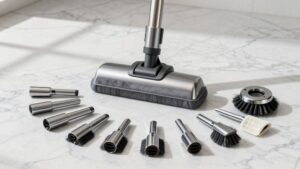
What should you do first when steam-cleaning sealed hardwood? Vacuum thoroughly to remove grit and loose dirt; this prevents scratches when you steam. Next, fit the rectangular steam head with a thick microfiber cloth to insulate and retain moisture.
Follow this step-by-step routine, keeping two word, two word discussion ideas about Subtopic not relevant to the Other H2s listed above in mind for planning.
- Set the steam to the lowest setting and attach the padded rectangular head with a clean, thick microfiber cloth.
- Move slowly and evenly, passing the cleaner once over each area. Monitor the cloth for saturation and visible dirt.
- Don’t hover; keep the head moving to avoid heat pooling and potential finish damage.
- When you finish, discard heavily saturated cloths or machine-wash them; no further rinsing is needed after the floor dries.
You’ll get consistent results by controlling steam output, cloth saturation, and movement speed.
Aftercare, Troubleshooting, and Safer Alternatives
Want a simple routine to keep sealed hardwood safe after steam cleaning? Start by tossing saturated microfiber cloths straight into the washing machine; you’ll reuse them after washing.
Aftercare tips: Inspect the floor for residual dampness. If the procedure was followed correctly, you shouldn’t need additional rinsing once surfaces dry. If you see excess moisture or cloth saturation while cleaning, stop immediately and wipe the area with a dry microfiber cloth to prevent moisture buildup.
Troubleshooting quick fixes: If streaks appear, buff the area with a dry, clean microfiber pad. If a spot feels tacky, air-dry and recheck; do not add water. For persistent concerns or unclear spots, contact customer service for guidance on aftercare, troubleshooting, or safer alternatives.
If you prefer lower-risk methods, consider damp-mopping with a manufacturer-approved cleaner or microfiber only. Both reduce moisture exposure while keeping finishes intact.
Frequently Asked Questions
Do Steam Cleaners Void Hardwood Floor Warranties?
Yes, using a steam cleaner can void warranties if the manufacturer forbids it. You should check your steam cleaner warranties and hardwood finish safety guidelines before cleaning.
If the floor’s warranty explicitly prohibits steam or high heat, you’ll risk losing coverage. Follow recommended cleaners, maintain finish per instructions, and document care. When in doubt, contact the floor maker or installer for written confirmation to protect your warranty and finish.
Can Steam Cleaning Remove Old Surface Scratches?
No, steam cleaning won’t remove old scratches; it may clean the surface but won’t fix gouges or ingrained marks.
You can buff shallow finish scratches with a recommended restorer, but deeper ones need sanding and refinishing. Also, don’t forget warranty issues: using steamers against manufacturer guidance can void coverage.
Follow your floor’s care instructions, use appropriate products, and consult a pro for significant damage to avoid costly warranty problems.
Is Steam Cleaning Safe for Unfinished or Waxed Hardwood?
No, you shouldn’t steam clean unfinished or waxed hardwood. Steam cleaning forces moisture into bare wood and soft wax finishes; this causes swelling, cupping, and finish breakdown.
Use a dry or slightly damp microfiber mop and manufacturer-recommended cleaners instead. For waxed floors, strip and reapply wax when needed. For unfinished wood, spot-clean with a damp cloth and dry immediately.
Test any method in an inconspicuous area first.
How Often Can I Steam-Clean Without Damaging the Finish?
You can steam-clean about once a month for regular maintenance. Clean less often for low-traffic rooms to protect hardwood finish preservation.
Use a low-heat, manufacturer-approved steam cleaner and keep mop passes quick. Avoid standing water to prevent finish damage. Test a hidden spot first; use distilled water and dry floors immediately with a microfiber cloth.
If finish shows wear, switch to damp mopping. Consult a pro for recoating.
Will Steam Cleaners Strip Polish or Leave a Residue?
Yes, a steam cleaner can strip polish or leave steam cleaner residue if you’re not careful. Use low-moisture settings, move quickly, and test a hidden spot first to avoid polish stripping.
Wipe surfaces immediately with a microfiber cloth to remove residue and prevent buildup. Avoid harsh attachments and high heat on older finishes. Regularly check the floor’s sheen and switch to damp-mopping if you notice changes or persistent residue.
Conclusion
You can safely steam-clean sealed hardwood only if you confirm the finish is intact and compatible. Test an inconspicuous spot, use a low-moisture steam setting, and move quickly. Additionally, keep the steamer head in constant motion to avoid heat and moisture build-up.
Immediately wipe residual dampness and allow thorough drying. If you see finish dulling, cupping, or seam separation, stop and switch to a damp mop or a manufacturer-approved cleaner to protect the floor.
You may also like: Sealed Hardwood Floors From Moisture — a related guide worth bookmarking.